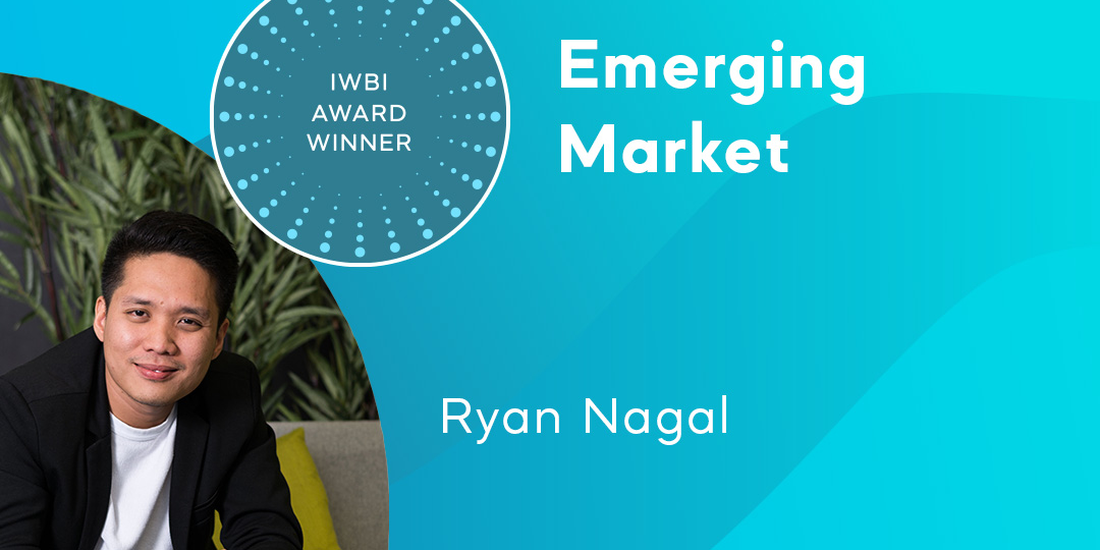
Building with purpose: Ryan Nagal expands his approach to designing impactful spaces
Winner of IWBI’s 2024 Emerging Market Award, Ryan Nagal paves the way for the health building movement for his projects in Southeast Asia.
Throughout his WELL AP journey, Ryan rises as a healthy building advocate within his company and in his external work as a Workplace Design Lead at Unilever.
How did you first hear about the WELL AP? What made you interested in the credential?
I first heard about the WELL AP credential from my former line manager, an English architect whose passion for creating human-centric environments deeply inspired me. When I joined Unilever’s global workplace design team in the summer of 2019, I felt a strong drive to bring excellence and purpose into our work. As an engineer by training, I saw the opportunity to elevate our global workplace standards by integrating health and well-being as foundational elements of design. The WELL AP credential stood out as a meaningful way to deepen my knowledge, sharpen our team’s focus, and advocate for workplaces that truly support the people who use them every day.
What’s one way becoming a WELL AP has impacted your life and/or career?
Becoming a WELL AP has sharpened the way I see and experience the built environment. It’s added a deeper layer of awareness to my design process. It’s no longer just about aesthetics or function; it’s about how spaces feel, how they perform, and how they affect the people within them. When I look at a floor plan now, I immediately assess whether the layout encourages movement or enhances access to daylight. When I walk into a space, I’m attuned to the acoustics, air quality, and lighting—elements that may seem subtle but have a profound impact on health and productivity. This credential has enriched both my design intuition and my ability to advocate for spaces that elevate human experience.

What are some things you’ve been able to do (or you plan to do) as a WELL AP you couldn’t before? Why are those things important to you?
Earning the WELL AP credential gave me a strong foundation—and the credibility—to actively advocate for the Healthy Buildings Movement within the company. It moved the conversation from personal interest to professional influence. One of the most meaningful outcomes was helping lead the effort to register the company to WELL at scale program and eventually certify one of our headquarters in Southeast Asia as WELL Gold. That was a significant achievement, especially given the complexity of pursuing certification —it required comprehensive design review, operational changes, and strong stakeholder alignment.
What makes this even more important to me is that it created a platform to engage with senior leaders. I had the opportunity to present to the company’s global workplace organization and even had an audience with our Chief Medical Officer about the importance of health-focused design. These moments affirmed that the WELL AP credential isn’t just about technical knowledge—it’s about opening doors to influence culture, policy, and ultimately, people’s well-being.
What’s something about the WELL AP—or the WELL movement in general—that isn’t often discussed but you think deserves more attention?
One aspect of the WELL Movement that I feel deserves more attention is how flexible and context-responsive the framework truly is. Every project has its own nuances—what matters most in one region may not be the top priority in another. For example, in some locations, ergonomics and musculoskeletal health take center stage, while in others, access to daylight or air quality becomes the key driver. This means that when pursuing WELL Certification across different sites, the design and operational strategies must be tailored thoughtfully—not every space will prioritize the same features in the same way.
What does well-being mean to you? How do you incorporate it into your life and routine?
To me, well-being can be captured in two words: fit and flourish. Fit is about being in harmony with your environment—feeling a sense of belonging, alignment, and comfort in the spaces and communities you’re part of. Flourish means having the opportunity to grow, find purpose, and do meaningful work that contributes to something greater than yourself.
At Unilever, I’ve experienced both. I’ve been able to fit into a culture that values sustainability, health, and people—and I’ve flourished by championing the Healthy Buildings Movement. Through our work, I’ve had the privilege of shaping environments that empower our people to thrive, creating spaces that not only support their well-being but also inspire them to perform at their best. It’s deeply fulfilling to know that design can have that kind of impact.
What projects do you have planned for the future? How will your WELL AP credential support the project’s success?
As part of the company’s Global Workplace Design and Projects team, I help drive design strategy and data analytics for our global portfolio. I also lead workplace transformation projects across Southeast and North Asia. My WELL AP credentials help that health, sustainability, and well-being are embedded in every stage of design and delivery.
Learn more about what it takes to become a WELL AP!