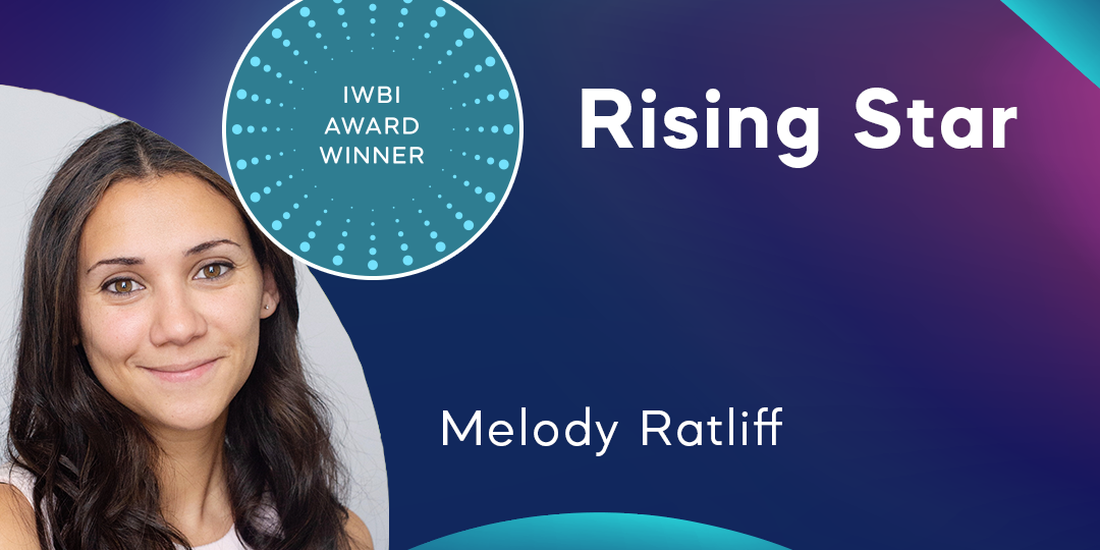
Rooted in purpose: How Melody Ratliff cultivates wellness through design
From architecture to advocacy, WELL AP Melody Ratliff brings research, rigor and a love of nature to every space she touches.
Melody Ratliff doesn’t just design for health—she lives it. A recipient of the WELL AP Rising Star Award, Melody has emerged as a powerful advocate for human-centered design, blending technical expertise with a deep empathy for the people and communities behind every project. Since earning her WELL AP credential, she’s leveraged the WELL Building Standard to guide portfolio-wide strategy, elevate workplace wellness policies and nurture a more thoughtful approach to well-being in her own life. Whether helping clients scale impact or tending to her garden, Melody leads with purpose, balance and a belief in the healing power of design.
How did you first hear about the WELL AP? What made you interested in the credential?
It was a natural progression of my career and personal interests. I was working at Gensler in 2014 when both internal conversations and external industry buzz began to build around the WELL Building Standard and the rigor of the WELL AP credential. The timing felt right to deepen my understanding of health-focused design and take the next step in my professional development.
What’s one way becoming a WELL AP has impacted your life and/or career?
It has made me a better communicator. WELL’s foundation in research and science has equipped me to speak more confidently and clearly to clients and stakeholders. When strategies are backed by data and purpose, it’s easier to create alignment and shared understanding.
What are some things you’ve been able to do (or plan to do) as a WELL AP that you couldn’t before? Why are those things important to you?
The WELL AP credential has helped me take a more critical look at employee benefits, policies and programs—not just as a new mother and young professional, but also in my work designing spaces for others. WELL gave me a framework to think more holistically about how workplaces support real people and real needs, beyond just the physical environment.
Did anything about the WELL AP process surprise you—from registering for the exam to your experience post-accreditation? What was it? How would you prepare future candidates?
The exam itself was very technical and detailed—which was surprising at first. But in practice, I use the WELL Program Guidebook and addenda almost every day. Continuing to reference those materials has helped me better understand the intent behind each strategy and communicate more effectively with clients. I’d encourage candidates to take the time to really understand not just what a feature requires, but why it matters.
What’s something about the WELL AP—or the WELL movement in general—that isn’t often discussed but deserves more attention?
The built-in accountability. WELL isn’t just about design and construction—it’s about how spaces perform over time. There’s a high level of precision and rigor built into the rating system, and that ongoing accountability is what makes WELL so impactful.
What advice would you give to future WELL AP candidates?
Don’t rush. Take your time to understand each feature’s intent and don’t assume threshold details are minor. They matter. In my daily work, I’m constantly referencing the guide and addenda to make sure I’m communicating clearly and delivering on the standard.

What does well-being mean to you? How do you incorporate it into your life and routine?
Well-being, to me, means feeling balanced and whole—having the space and energy to replenish myself through the things that bring me joy. Gardening, for example, is a huge part of that. I love digging in the dirt and connecting with nature. There’s something deeply therapeutic about understanding our place in the natural world.
Is there a specific WELL feature or concept that’s had a personal impact?
Yes—features like Provide Nature Access Outdoors and Provide Gardening Space have really resonated with me. They align with my own values and lifestyle. I’m a firm believer in the healing power of time spent outdoors and the importance of maintaining a connection to nature.
What projects do you have planned for the future, and how will your WELL AP credential support their success?
I’m looking forward to supporting more portfolio clients—helping them scale wellness strategies across multiple sites and measure their impact at the organizational level. The WELL AP credential gives me the knowledge and confidence to lead those efforts with both precision and purpose.
Learn more about what it takes to become a WELL AP!