Magdalena Magaña grew her expertise and brand as a WELL AP
Discover how the WELL AP informs Sustainability Consultant Magdalena Magaña's professional and personal life.

As a sustainability consultant, Magdalena Magaña pursued the WELL AP credential to advance professionally and inform clients about emerging trends in the design industry. She also incorporates WELL features and concepts of well-being into her personal life from her daily routine to the design of her at-home office.
1. What led you to pursue the WELL AP credential? What personal or professional significance does the WELL AP credential hold for you?
When the WELL Building Standard launched, I was amazed how our environment could impact our health and well-being. As a consultant in sustainable building, I was eager to learn more about the WELL AP credential, promote the triple bottom line and apply the WELL Building Standard to my existing and upcoming projects. I was also interested in how earning LEED AP credentials could help me advance professionally as new job opportunities and projects arose. Obtaining a WELL AP credential seemed to be the next logical step in advancing my career and keeping updated with the most recent trends in the design and construction industry.
2. What does well-being mean to you? How do you incorporate aspects of well-being into your life and routine?
I always use the WELL Building Standard as a reference for health-promoting behaviors. I have incorporated wellness into my home, my office and my lifestyle, and I try to influence my family to adapt it into their lifestyles as well.
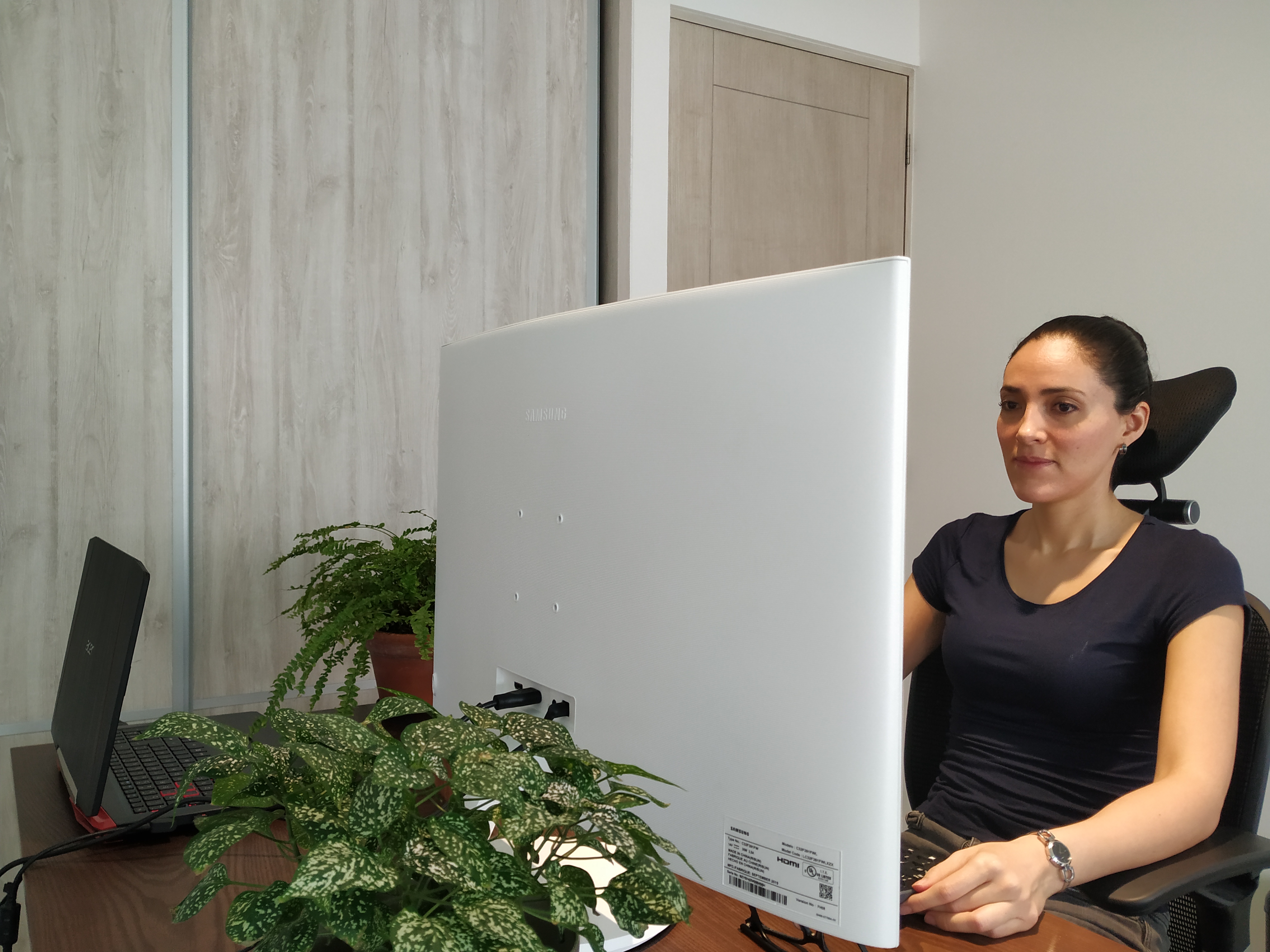
I work from home, so I selected WELL features that I could adapt and incorporate within my own home and office space to enhance my productivity, such as elements to improve acoustics, an adjustable chair, a monitor, and indoor natural elements and colors that allow to stay connected with nature, which is especially beneficial to my well-being throughout quarantining.
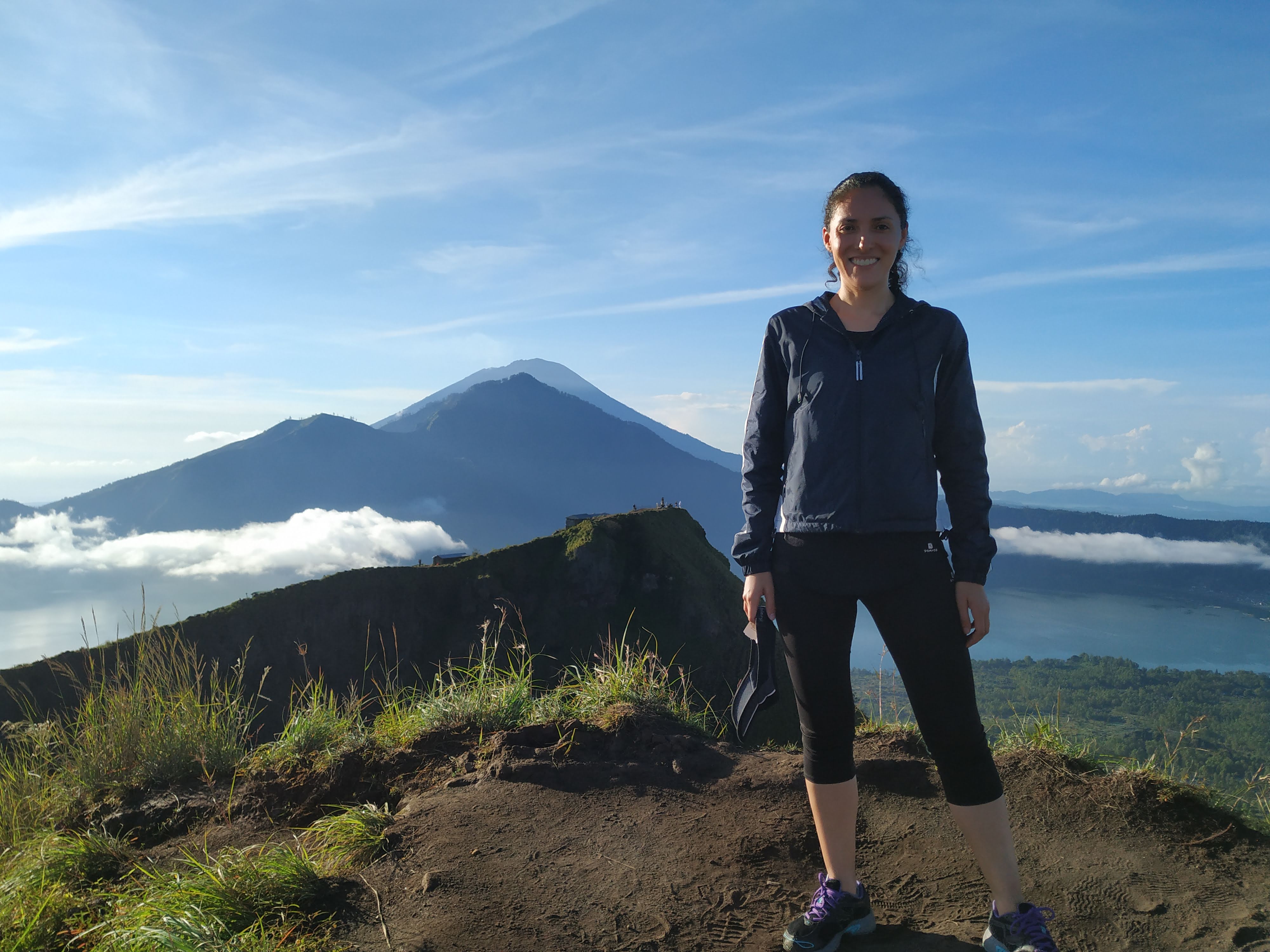
Within my lifestyle routine, I live in a very walkable neighborhood, which allows me to stay active and improve physical activity. Moreover, I really enjoy hiking, practicing yoga and going to the gym every day, which enhances mental health.
3. From a health and well-being perspective, what are some of the most inspiring or exciting trends you’re seeing in the real estate/building industry and in Mexico?
Mexico designs spaces for the people. Designers evaluate an organization’s work style and needs to enhance employee satisfaction and productivity. Spaces are created with different functions in mind, such as informal and formal gatherings, quiet rooms, playrooms, phone booths or lactation rooms, just to name a few. Organizations are also interested in creating spaces designated for physical activity and fitness classes for employees after their usual work hours.
The most exciting trend I’m currently seeing involves creating restorative spaces—spaces designated for meditation and restorative activities to relieve stress. These spaces commonly incorporate features of white noise, cushions, hammocks, plants, etc.
I think we will see different trends begin to emerge within the design and construction industry after the COVID-19 pandemic.
4. Is there a specific WELL concept, feature or set of features that really resonate with you, and if so, how have you incorporated them into your own life?
I have past experience working in environments that did not adopt policies to promote well-being. I worked in spaces with bad air quality, excessive traffic noise and unfavorable temperatures so cold that I wore a winter jacket and gloves while I worked. As a result of this environment, my coworkers and I were unmotivated and we underperformed. Having experienced how our work environment could truly impact our productivity and well-being, I now try to incorporate as many WELL features into my own home-office.
My husband and I carefully chose an apartment with a home office located away from excessive traffic noise, as studies show that individuals consistently exposed to traffic noise have a higher risk for diabetes, stroke and heart attack. I also chose to replace my common office chair with an adjustable chair after suffering from lower back pain and shoulder pain.
5. When someone asks you what it means to be a WELL AP, what do you tell them?
Becoming a WELL AP has opened a lot of professional doors for me within this industry. Clients perceive you as an experienced professional and seek your advice when developing spaces that incorporate features of WELL Certification. As a WELL AP, it’s rewarding to transfer my knowledge from the WELL Standard into my own projects and to train other professionals in the industry to apply WELL guidelines within their new and existing projects as well.
6. What would you say to people on the fence about or considering becoming a WELL AP?
I would advise people to not hesitate or procrastinate if they are interested in becoming a WELL AP. Based on my own experience, there are many opportunities for everyone to incorporate aspects of the WELL Standard into a variety of projects or daily routines that can positively impact one’s health and well-being. Additionally, I expect there will be a growing trend for WELL Certified spaces as our communities continue to heal from the recent COVID-19 pandemic.