Designing for the next generation: How Stefano Tronci is redefining human-centered architecture
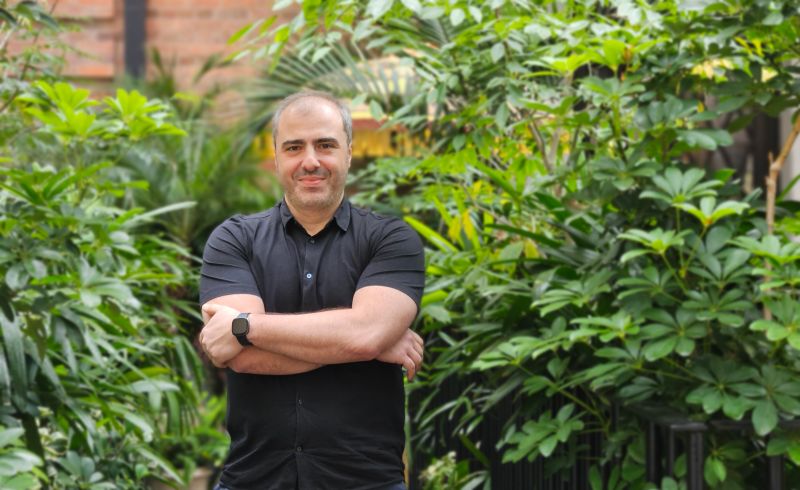
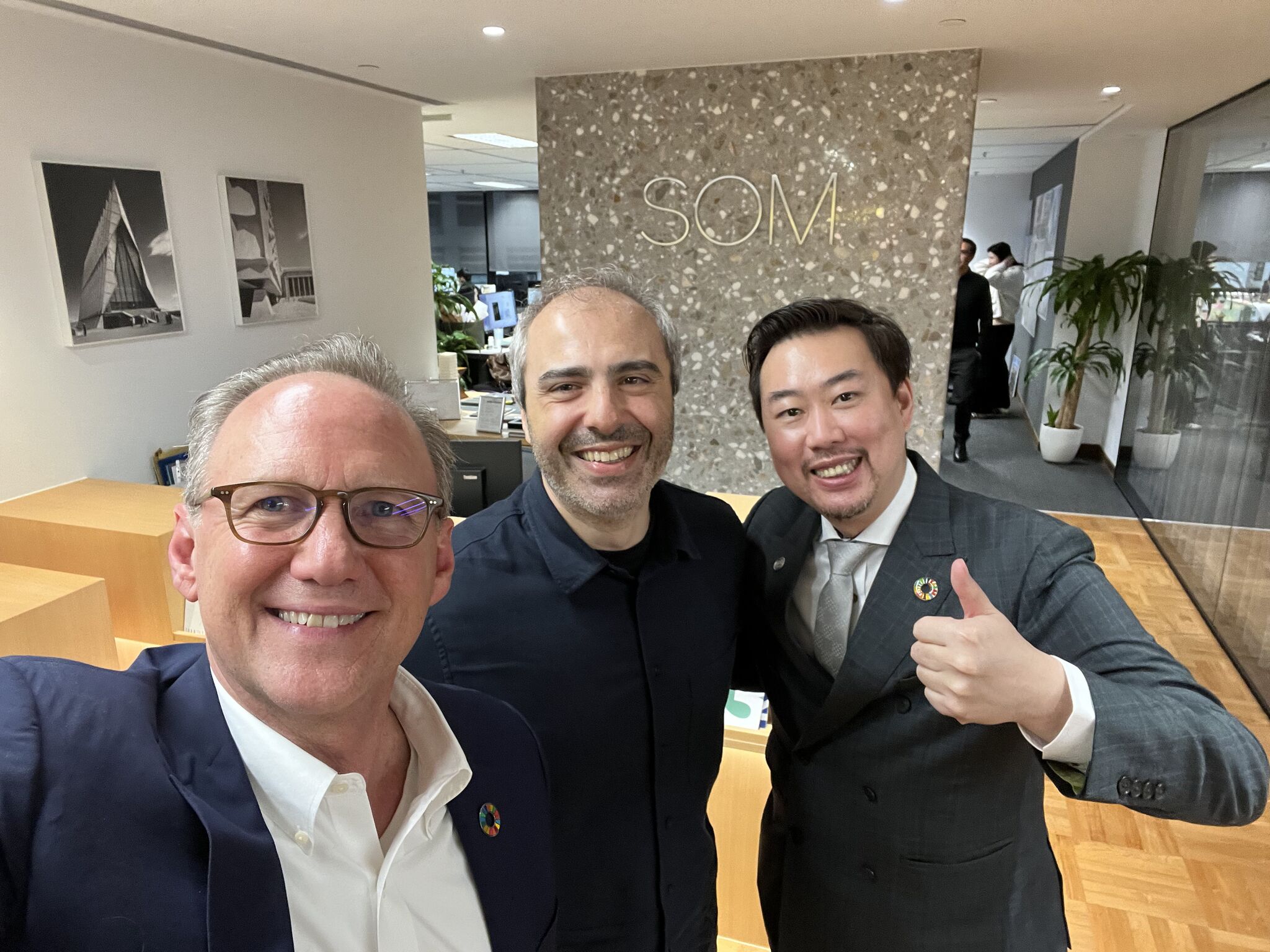
Associate Principal, APAC Sustainability Lead, at SOM and recipient of the 2024 Next Frontier of Design Award, Stefano Tronci shares how becoming a WELL AP transformed his approach to architecture—placing people, health and resilience at the core of every project.
Stefano Tronci has always believed that architecture has the power to shape lives—not just through aesthetics and form but through spaces that support human health and resilience. As a Senior Associate Principal at SOM, his journey toward people-centered design began with a desire to move beyond traditional sustainability standards and embrace a more holistic approach. Since becoming a WELL AP, Stefano has redefined his design process to focus on impact, inclusivity and well-being. In recognition of his forward-thinking work, he was honored with the 2024 Next Frontier of Design Award.
How did you first hear about the WELL AP? What made you interested in the credential?
I learned about the WELL Standard years ago, right after it launched, as I was still relatively fresh off studying for my LEED AP accreditation. I was really keen to understand how to design spaces for people, with health at the core of my process. I saw that WELL AP was an accreditation I could study for and started right away!
What’s one way becoming a WELL AP has impacted your life and/or career?
My work was impacted tremendously. Sustainability suddenly wasn’t just a conversation about energy and efficiency—it included people, communities and those we ultimately design for. The WELL Standard helped me understand a much more holistic view of sustainable systems, and becoming a WELL AP deepened my knowledge on the subject. Today, staying updated on everything WELL, maintaining my credentials and reading about case studies all help refine my knowledge on health in the built environment and keep my design relevant and resilient.
What are some things you’ve been able to do (or you plan to do) as a WELL AP you couldn’t before? Why are those things important to you?
As a WELL AP, I started advocating for design solutions that identify people as the key target, value and return on investment. The emphasis for me gradually shifted from architecture as form, buildings and aesthetics to something more sophisticated: an understanding of the impact our design has on the people who will use those buildings for decades to come, and the responsibility that comes with it.
Did anything about the WELL AP process surprise you—from registering for the exam to your experience post-accreditation? What was it? How would you prepare WELL AP candidates for that?
Luckily, I had experience with other standards and accreditations, so I was well prepared for the exam and comfortable with the process. Whenever I run WELL AP exam workshops, I explain the preparation process thoroughly—how to prioritize the content, how to read the exam questions and answers, and what to expect on the day of the exam. The more prepared students are, the higher their chances of having a positive outcome!
What’s something about the WELL AP—or the WELL movement in general—that isn’t often discussed but you think deserves more attention?
The impact design has on mental health and how culture, sense of place and belonging change from person to person. We can impact people’s lives tremendously through our work, for better or worse. It all comes down to our ability to relate to a building’s users—their personalities, backgrounds and expectations—and design spaces around them so they can truly feel at home. More data and quantitative research in these areas would benefit the already rich qualitative knowledge we have from experience and observation, grounding it in science and making it even more valuable to designers and developers.
Do you have any advice you’d give potential WELL AP candidates?
Don’t focus just on passing the exam; study the Standard because you’re genuinely interested in its content and see the value in learning how spaces affect our health and well-being. It will make the whole process easier, more fun and more engaging. You’ll retain more information and have a better chance of passing!
What does well-being mean to you? How do you incorporate it into your life and routine?
Well-being has become an integral part of my life—from the way I approach design at work to maintaining balance at home. Nutrition, sleep, daylight and fitness are just a few areas that have matured in my life since studying for the WELL AP.
Is there a specific WELL concept, feature, or set of features that has really resonated with you and that you’ve incorporated into your own life?
Everything related to biophilia—and by extension, biomimicry—truly fascinates me. Integrating nature into our lives is such a simple and obvious thing to do, yet we often don’t realize how beneficial it is. After studying for the WELL AP, biophilia became a focus of mine. I deepened my understanding of the topic by exploring more literature, discovering design tools to support its application and running workshops to help other designers understand it as well.
What projects do you have planned for the future? How will your WELL AP credential support the project’s success?
At SOM, our projects always aim for the highest standards in sustainability and health. All the new projects I help design in the Asia Pacific region are grounded in WELL principles and aim for certification from the start. I hope that our work in this region helps expand the reach and impact IWBI already has and creates more healthy, resilient spaces for people.
Is there anything else you would like to share?
I look forward to continuing my engagement with IWBI, advocating for health and well-being in our practice and designing spaces that stem from a more human-centric design ethos and philosophy.
Learn more about what it takes to become a WELL AP!