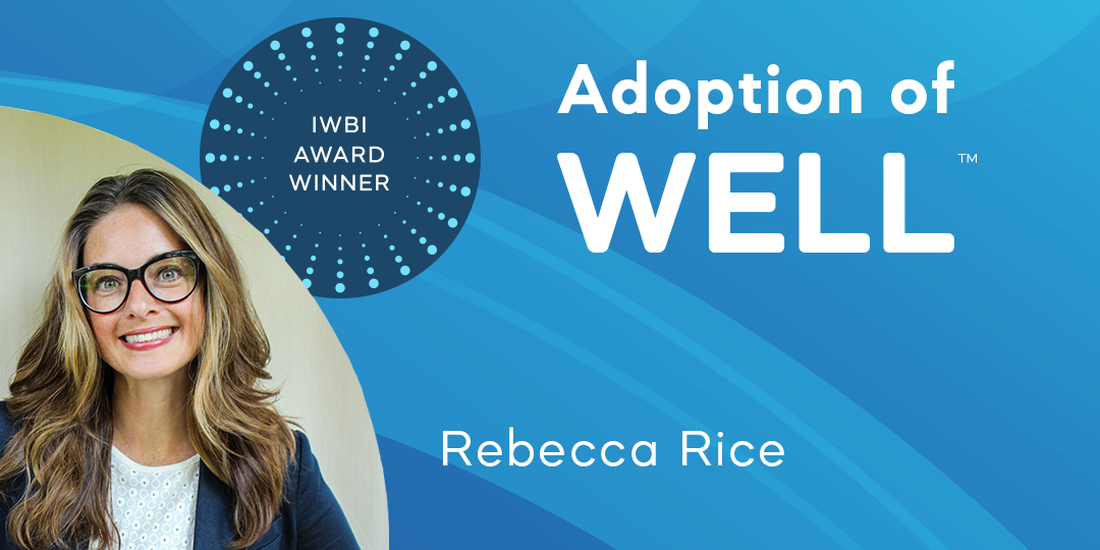
Elevating equity through design: How Rebecca Rice uses WELL to build healthier, fairer spaces
Rebecca Rice, WELL AP and former Division I athlete, is using her passion for wellness and equity to help clients—and the industry—take more inclusive steps toward healthier spaces, one project at a time.
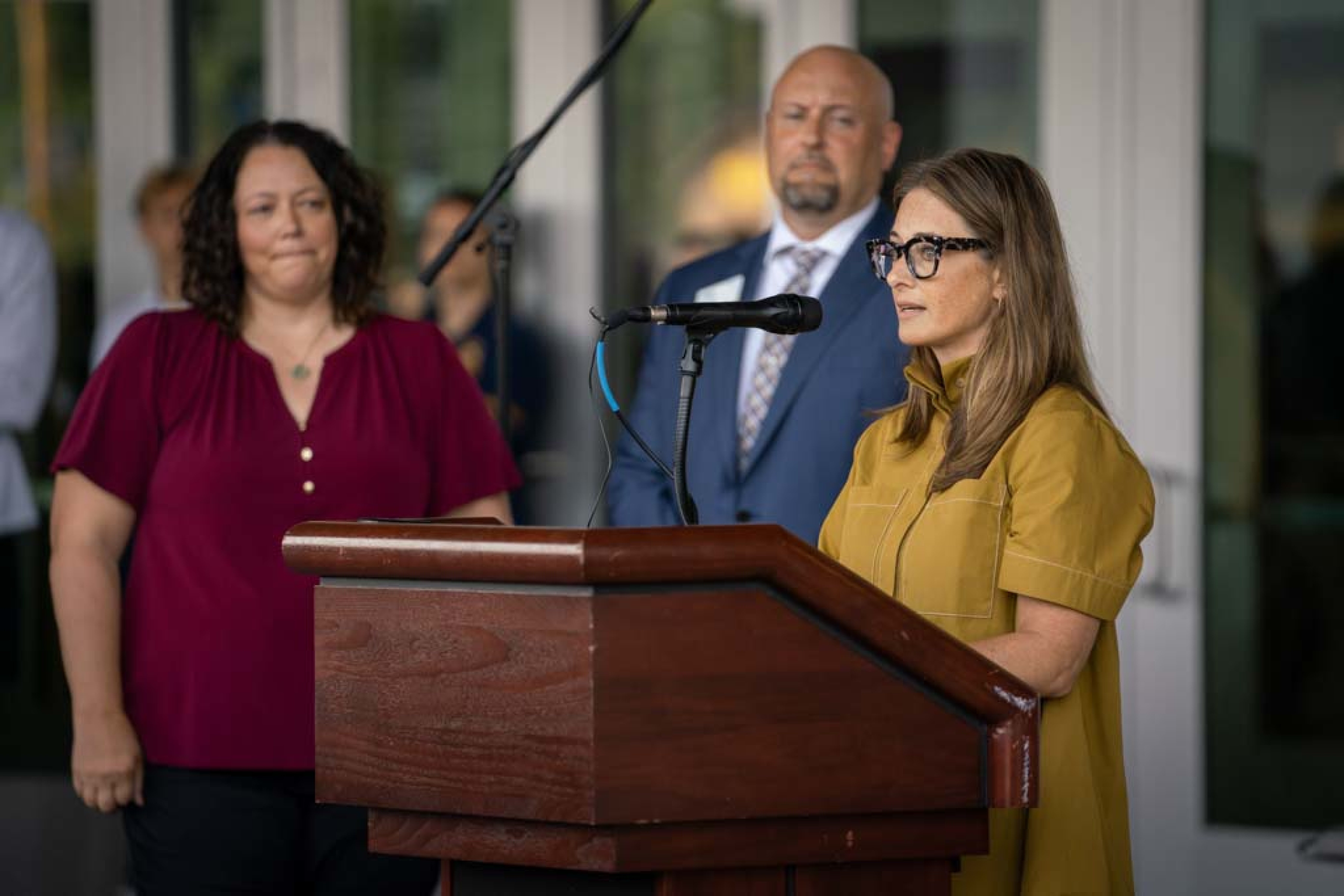
Rebecca Rice, WELL AP, has spent her career championing health, equity and sustainability—starting from her roots in environmental science to her role as a WELL consultant and GBCI reviewer. Her passion for holistic well-being and commitment to systems-level change earned her the 2024 WELL Equity in Practice Award. In this Q&A, she reflects on how WELL has shaped her career, the surprising truths behind the exam and the importance of starting where you are.
How did you first hear about the WELL AP? What made you interested in the credential?
As a LEED practitioner and someone familiar with how the built environment impacts human health, I was immediately intrigued when the WELL Rating System came out. The name alone—not an acronym but a direct statement of purpose—was fascinating! I became serious about pursuing the credential after being hired on my first WELL project: a senior living facility in my hometown of Boulder, Colorado. We brought residents into the process early to get feedback on amenities, mental health opportunities, nourishment and more. I knew right away this was a different kind of rating system—one truly designed for people. A few years later, I was hired as a GBCI reviewer and earned my WELL AP six months later.
What’s one way becoming a WELL AP has impacted your life and/or career?
I’ve always been interested in health and wellness. I was a Division I lacrosse player at Niagara University and still love hiking and the occasional 10K. To stay active, proper nutrition and mental health are essential. Becoming a WELL AP gave me a deeper understanding of the science behind these practices. The holistic nature of the rating system has helped me see how movement, community, nutrition and mental health are interconnected—not just individual components of well-being. At Greenwood Consulting Group, we’ve pursued and achieved the WELL Health-Safety Rating at our Kansas City headquarters for three years running. By integrating our WELL AP knowledge, we’re positively impacting our team’s health and every visitor to our space.
What are some things you’ve been able to do (or you plan to do) as a WELL AP you couldn’t before? Why are those things important to you?
The biggest shift is that I now have the credentials to confidently speak with clients about implementing wellness strategies. My background in environmental science and energy efficiency prepared me well for sustainable building strategies, but when I talked about topics like mental health, sleep, or the experience of cleaning staff after hours, those ideas weren’t always on the radar. Now, those topics are welcomed. We’re creating more equitable conditions—like ensuring night-shift staff aren’t working in poorly ventilated spaces, or providing accommodations for nursing mothers and prayer spaces for people of different religious backgrounds.
Did anything about the WELL AP process surprise you—from registering for the exam to your experience post-accreditation? What was it? How would you prepare WELL AP candidates for that?
Yes! I was surprised by how focused the exam was on public health initiatives and science-based targets, rather than just rating system mechanics. I’d advise candidates to really study the overview sections and understand the global health issues that WELL features are designed to address. It’s about understanding the “why,” not just the “what.”
What’s something about the WELL AP—or the WELL movement in general—that isn’t often discussed, but you think deserves more attention?
WELL is fundamentally about equity. It aims to ensure that all people can work in environments that support health and well-being—regardless of background or circumstance. WELL includes provisions for women, civic engagement, inclusion, the unhoused and more. While the WELL Equity Rating specifically focuses on DEI goals, I believe the WELL Building Standard itself inherently strives to be inclusive. It gives people a way to see their own lived experience reflected in a global framework, which gives me hope for our shared future.

Do you have any advice you’d give potential WELL AP candidates?
When I speak to groups about WELL, I always say: “We do what we can.” It’s easy to feel overwhelmed by the scale of change needed, but big impact comes from small actions. Start with your own community, projects, or even your home. Educate others. Work with clients to meet them where they are, and celebrate small wins that build momentum. WELL Platinum Certification may be a long-term goal—but why not strive for it?
What does well-being mean to you? How do you incorporate it into your life and routine?
My understanding of well-being has evolved. It’s no longer just about happiness—it’s about feeling content even in tough times. For me, that depends on good sleep, proper nourishment, staying hydrated, strong connections with loved ones and making time for what I enjoy. I’ve learned to prioritize meal prepping, book club, ladies’ nights out and church on Sunday. My best days start with electrolytes, a huge glass of water and 15 minutes of reading before jumping into emails and daily responsibilities.
What projects do you have planned for the future? How will your WELL AP credential support the project’s success?
I’m focused on helping clients adopt WELL at the portfolio level. Certifying a single building is great, but applying WELL strategies across an entire organization ensures equity in health outcomes. It’s a “rising tide lifts all boats” approach. It’s our responsibility as practitioners to extend these benefits to everyone—not just those in flagship offices.
Learn more about what it takes to become a WELL AP!