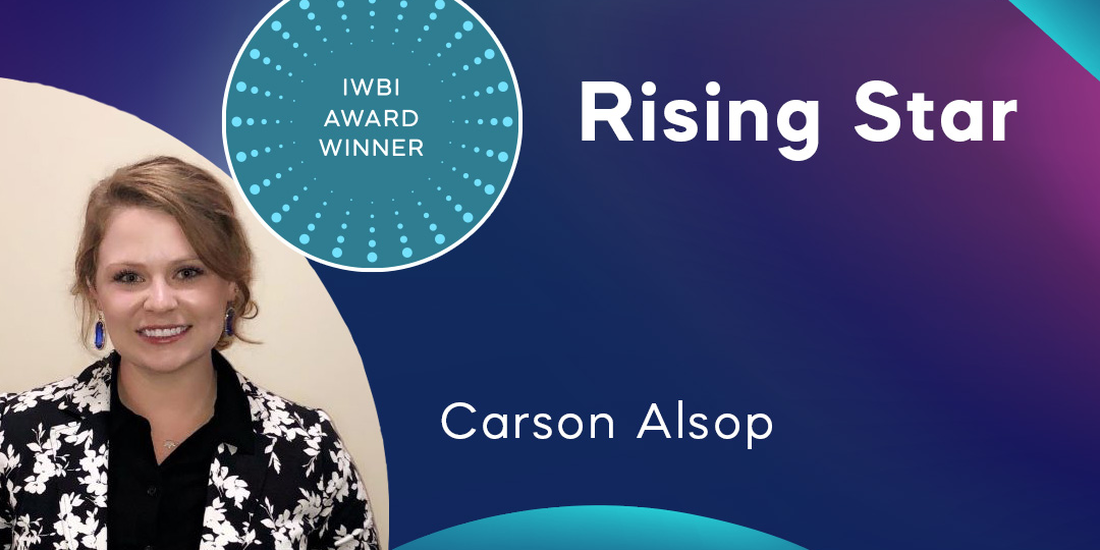
Carson Alsop shines new light on holistic sustainability
Lutron Electronics' NY Experience Leader, Carson Alsop, explores how innovative interventions and creative well-being strategies are brightening the path toward comprehensive organizational sustainability.
Carson is passionate about pushing the boundaries of what’s possible for organization sustainability solutions. She discovered that the WELL Building Standard offered a holistic lens that connects environmental stewardship with human flourishing. Since earning her WELL AP credential and receiving the 2024 Rising Star Award, Carson has been an advocate of thinking creatively about the intersection of light, health and space design to unlock innovative pathways to comprehensive sustainability that push spaces to extraordinary new levels of impact.
How did you first hear about the WELL AP? What made you interested in the credential?
I first learned about WELL AP in 2016 during a tour of the ASID Headquarters in Washington, D.C., the world’s first space to achieve both WELL Platinum and LEED Platinum certification. As a recent college graduate and environmental engineer, I was captivated by how seamlessly wellness and sustainability were integrated into a single environment. It was my first exposure to the concept of designing spaces that not only enhance people’s lives but also promote well-being and contribute to a healthier world. Intrigued, I was eager to explore this approach further. A few years later, while spearheading a sustainability sales initiative at Lutron, I realized that I was overlooking a crucial component. True sustainable development is only achieved when the planet, economy and people are in harmony. To gain a more holistic perspective and deepen my understanding of how occupants interact with their built environment, I decided to pursue WELL AP certification.
What’s one way becoming a WELL AP has impacted your life and/or career?
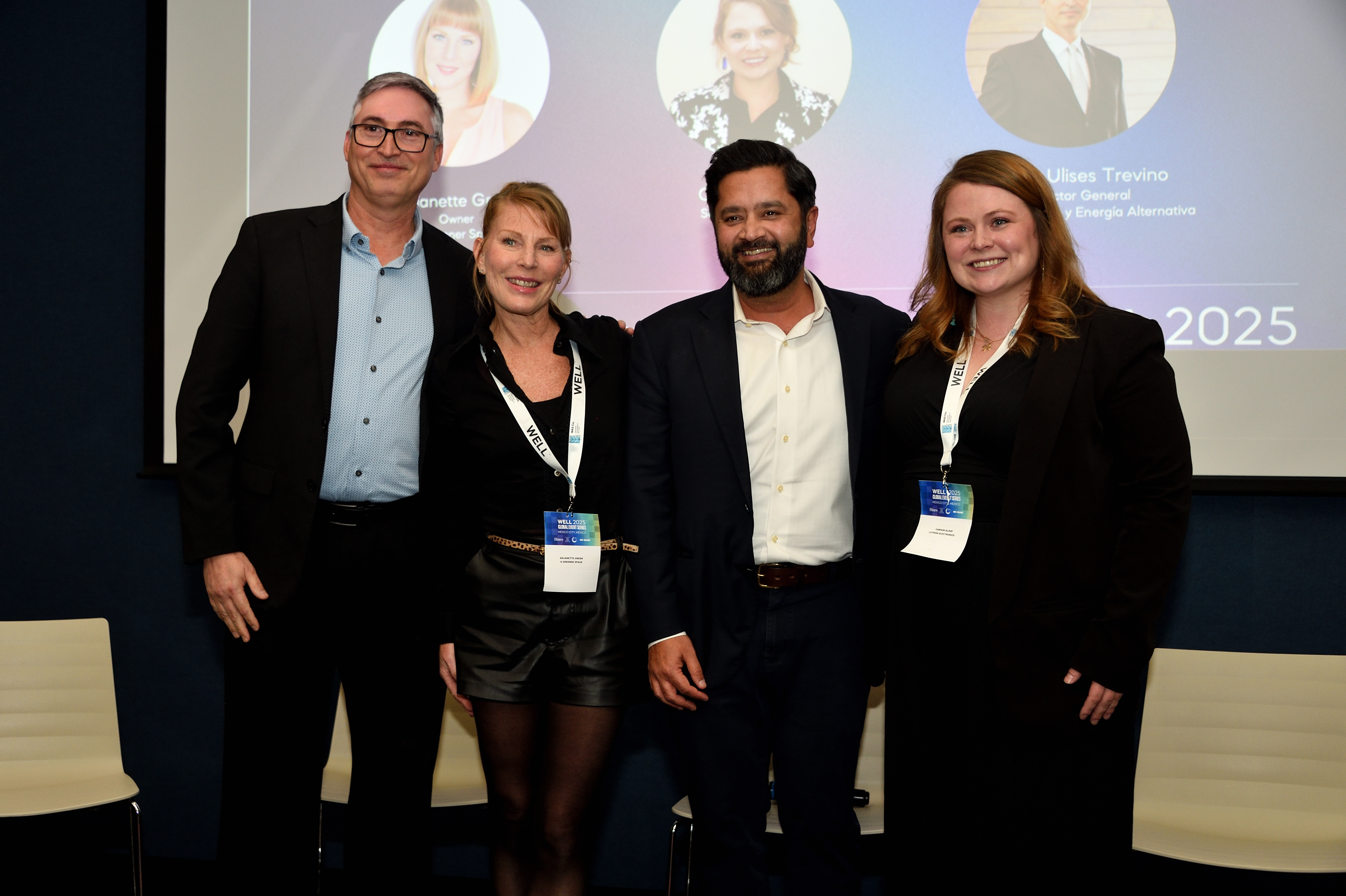
Becoming a WELL AP and collaborating with the International WELL Building Institute over the past year has been an incredibly rewarding experience. It has fundamentally changed the way I discuss and present the built environment, and I’ve incorporated the insights I’ve gained into every demonstration I lead at Lutron’s Experience Centers. In fact, I developed and programmed a new immersive demonstration at our New York Global Experience Center that highlights the key principles of WELL, with a particular emphasis on the Lighting Concept. Partnering with the IWBI team to co-create healthier buildings and drive policy change has been an invaluable and transformative experience.
What are some things you’ve been able to do (or you plan to do) as a WELL AP you couldn’t before? Why are those things important to you?
As a WELL AP I now have the ability to influence more comprehensive sustainability strategies that include the health of the people who use the spaces, not just the environmental impact. This holistic approach is important to me because it allows me to contribute to creating spaces that truly support both people and the planet, something I deeply care about. The opportunity to collaborate with experts at IWBI and other organizations has further fueled my passion for making a real, tangible difference in the built environment, aligning my work with a higher purpose.
Did anything about the WELL AP process surprise you—from registering for the exam to your experience post-accreditation? What was it? How would you prepare WELL AP candidates for that?
I was genuinely surprised by how fast time flew while studying for the WELL AP exam. There’s a lot to cover, and the days can slip by before you know it—so don’t wait to get started! Sticking to a study plan is key. It keeps you focused, on track, and confident that you’re covering everything you need to succeed.
What’s something about the WELL AP—or the WELL movement in general—that isn’t often discussed but you think deserves more attention?
One aspect of the WELL movement that I think often gets overlooked is how it can inspire individuals to take their spaces to the next level. In our own office, the focus on biophilic design really encouraged us to think more intentionally about how we bring nature indoors. It pushed us to find creative, meaningful ways to integrate natural elements—not just for aesthetics, but to enhance the overall experience and well-being of everyone who spends time in the space.
Do you have any advice you’d give potential WELL AP candidates?
Don’t let the exam intimidate you—it’s absolutely manageable with the right preparation. Give yourself enough time, stick to a steady study plan, and you’ll be in great shape. Plus, the content is genuinely interesting, which makes the studying feel more engaging than daunting.
What does well-being mean to you? How do you incorporate it into your life and routine?
Well-being is something I prioritize in every aspect of my life. It’s an ongoing journey of discovering what truly supports wellness—both physically and mentally—in your daily routine. Lately, I’ve found that hiking and exploring new places, spending time on the water (whether at the beach or out fishing) and incorporating small, intentional habits into my day have been powerful ways to invite wellness into my life.
Is there a specific WELL concept, feature, or set of features that has really resonated with you and that you’ve incorporated into your own life?
One requirement in the Nourishment concept under Mindful Eating calls for a designated eating space separate from the desk. At first glance, it might seem like a small detail—but it really resonated with me on a personal level. It reminded me of my grandfather, a veterinarian in South Texas who worked incredibly hard—often getting up in the middle of the night to treat animals and putting in long, grueling hours. Yet, no matter how busy his day was, he had one non-negotiable rule: never eat lunch at his desk. He always made time to step away and have a proper meal. I’ve carried that habit with me throughout my own work life, and it’s something that’s created a deep emotional connection to the WELL Building Standard for me. It’s a simple but powerful reminder of how small choices can support our well-being in meaningful ways.
Learn more about what it takes to become a WELL AP!