Reflections from ARPA-H's Healthy Buildings Demo Day
"One of the Most Ambitious and Potentially Transformative Innovation Effort We Have Seen Anywhere in the World"

Just a stone’s throw from the White House, the healthy building community came out in full force at Daikin’s Sustainability and Innovation Center, a beautiful WELL Certified space, to get a firsthand look into five breakthrough projects powering a giant leap forward in healthy building innovation. It was all part of ARPA-H’s Healthy Buildings Demo Day. The event was both an acknowledgement and recognition of the groundbreaking progress being made by the agency’s BREATHE and PRO-MICROBE programs.
With excitement in the room, driven by the incredible scope of these two programs, envisioned and championed by ARPA-H program manager, Jessica Green, PhD. As Dr. Green noted at the opening of the program, we’ve evolved from basic structures to highly sophisticated, modern structures. Yet despite decades of advances in design and engineering, we still haven’t fundamentally optimized our buildings for human health, particularly the air we breathe inside, which is on average 3 to 5 times more polluted than outdoor air.
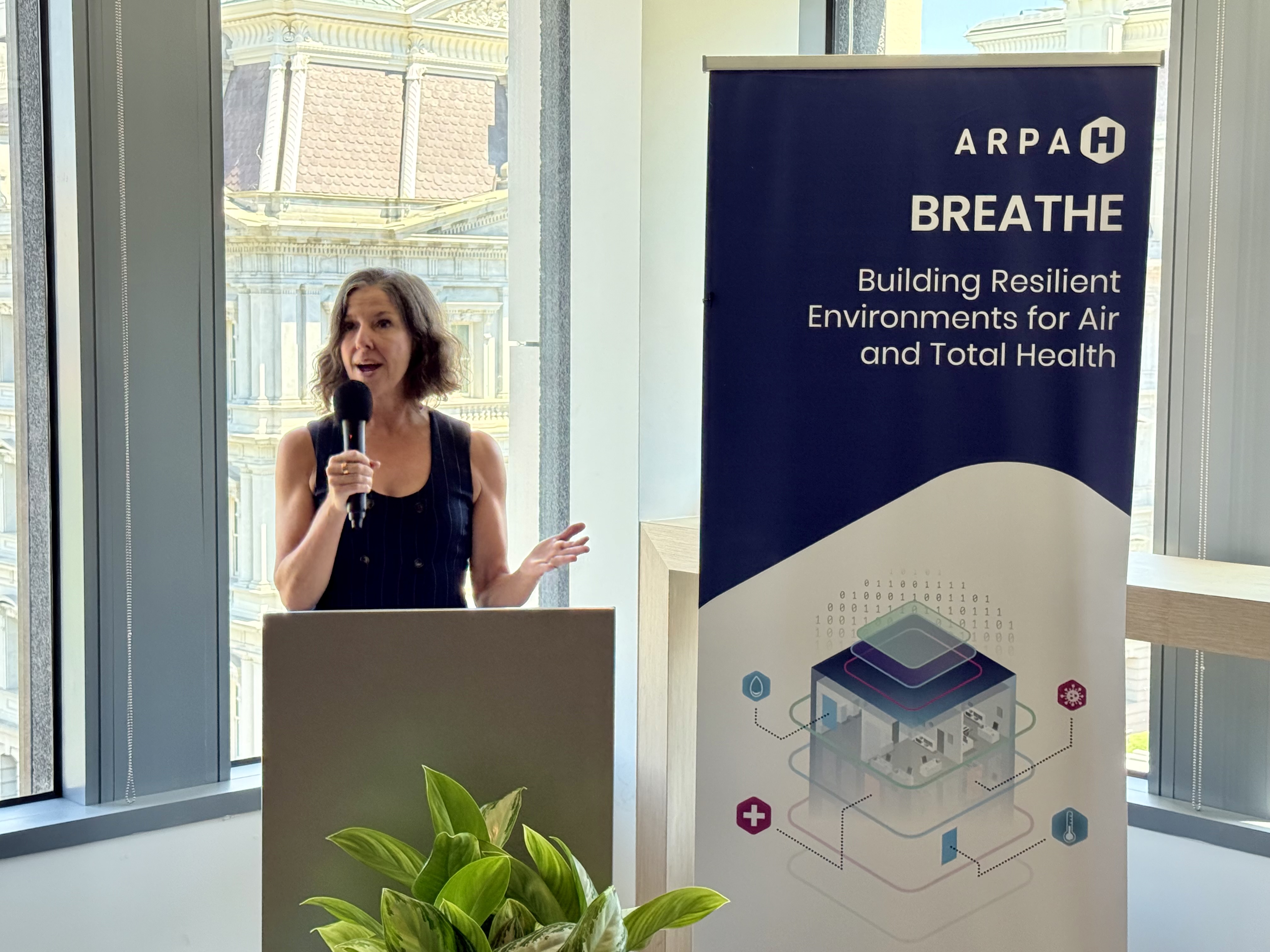
ARPA-H’s BREATHE program, recognizing the scale of this public health opportunity, took on this challenge to reimagine indoor air. And it wouldn’t be an ARPA effort if it wasn’t audacious. BREATHE is not your ordinary research initiative looking for incremental progress. Indeed, the agency’s raison d’être is all about embracing what others consider impossible. And, as IWBI’s COO Prateek Khanna said during the event, “This is one of the most ambitious and potentially transformative innovation efforts we have seen anywhere in the world.” For decades, the quality of indoor air has been overlooked and neglected, largely because it is invisible. What makes BREATHE so extraordinary is its power to make indoor air visible, actionable and scalable. It stands alone as a unique, world-first R&D engine, spurring indoor air quality breakthroughs with significant funding, over $150 million over five years. It’s an unprecedented commitment to the idea that every person has the right to breathe clean air the moment they walk into any building, whether it’s a school, a hospital or home.
Less than a Year in, the Awardees Have Hit the Ground Running
Perhaps the biggest takeaway from the day was the speed of progress already being made. While the four award teams have been at work for less than a year, I was stunned by the early progress on display at each team’s exhibit. With people crowded around each of the exhibits, we heard from each project team and how they were adopting new approaches and new methodologies (and this is the kicker) in real-world deployments across many of our highest priority sectors, like schools and daycare facilities and military hospitals. We also saw a powerful three-minute video featuring different allies for this issue, including actor Dean Cain, NFL legend Bill Romanowski, Mayo Clinic’s Gianrico Farrugia, IWBI’s CEO and President Rachel Hodgdon and Boston School District leader Katherine Walsh.
Again, the vision and technical muscle of the BREATHE program was really brought to life by the four incredible innovator teams who showcased their work:
-
Poppy (Strategic Control of Bioaerosols in Learning Environments - SCALE): They are developing an amplification-free genetic sensor that detects target microbes in the air and sends tiny electrical signals to help buildings respond instantly. They are deploying this in 60 schools across the U.S. to keep kids and teachers safe.
-
Mayo Clinic (Hospital Air QUality - HAIQU): This team is building a biosensor using microfluidic droplet CRISPR technology. By pairing it with digital twin and agent-based models, they can track indoor sickness risks in real time within emergency departments across Minnesota, Arizona and Florida.
-
Virginia Tech (Bioaerosol Risk Assessment interVention Engineering - BRAVE): They showed off a new biosensor utilizing nanobody-based technology for ultra-sensitive pathogen and allergy detection, alongside software that calculates real-time respiratory risks in daycare centers.
-
SafeTraces (Respiratory Threat Real-time Assessment and Control - R-TRAC): Developing a novel microarray qPCR biosensor that can trigger an entirely new protective operating mode for buildings when danger levels spike. Their tech is headed into Defense Health Administration Medical Centers to safeguard vulnerable patients.
-
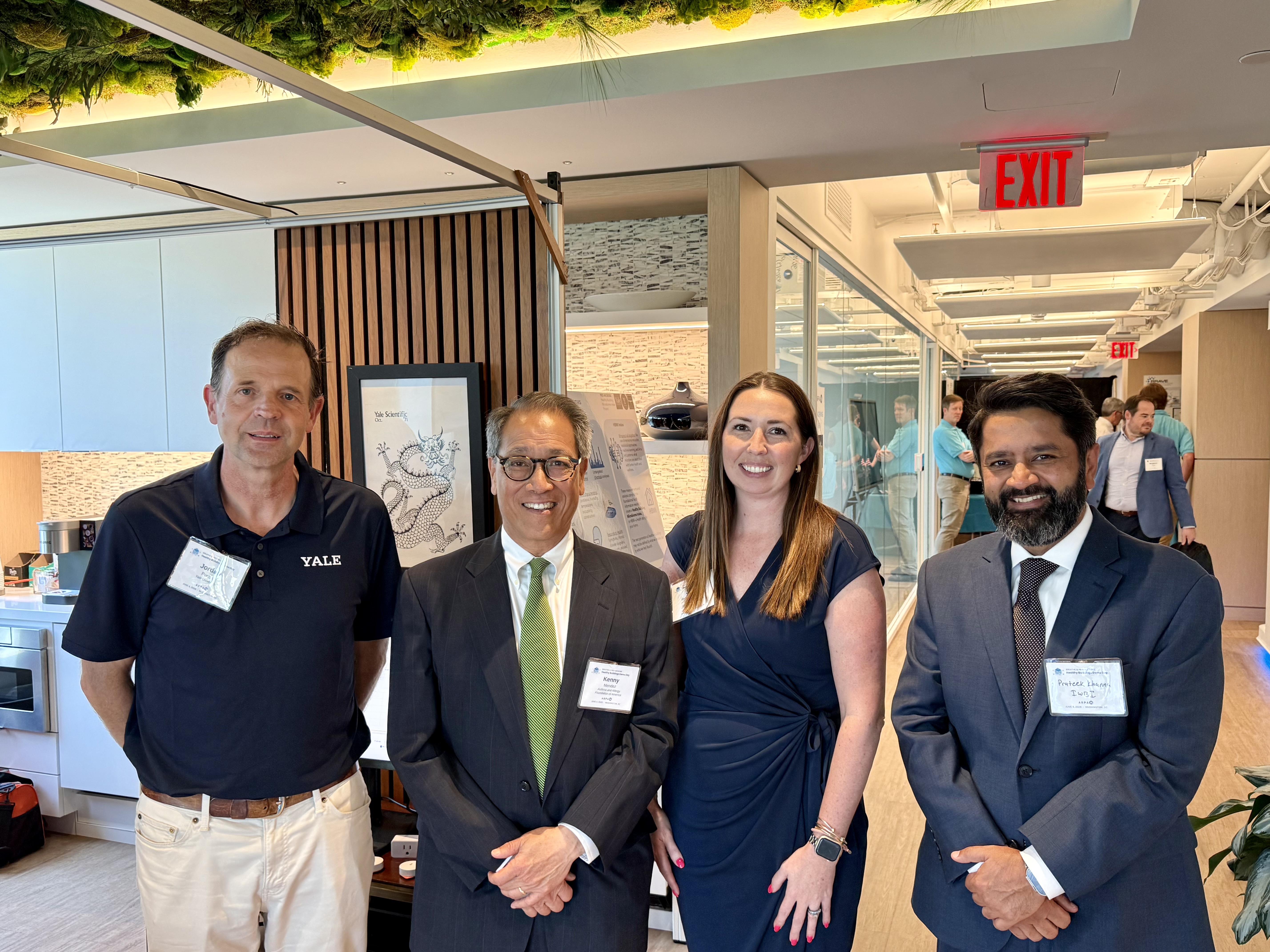
Leading PRO-MICROBE, Yale University is developing a “microbial health score” for a cohort of single-family homes, focusing on the respiratory health of the home’s occupants. The team will use classical statistical models, machine learning, and deep learning methods to train, test, and validate an adaptable index that links microbial features to building health and quantifies the relationship between non-biological building (environmental) variables with important microbial features.
Recognizing ARPA-H for its Contribution to Public Health Innovation
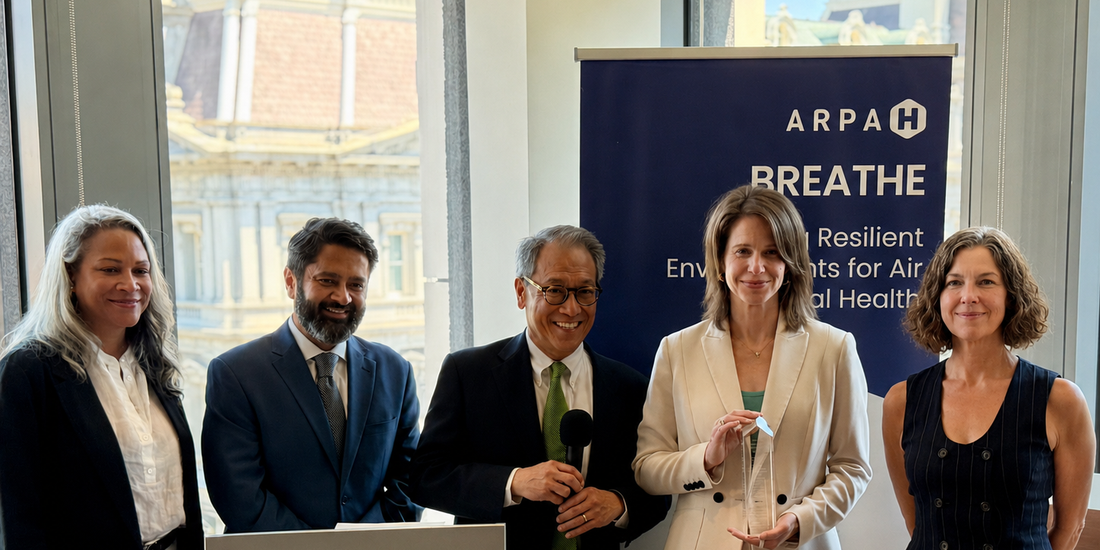
Another highpoint of the day was a special moment presenting a Leadership in Innovation Award to ARPA-H, delivered jointly by the Asthma and Allergy Foundation of America (AAFA), the International Facility Management Association (IFMA) and the International WELL Building Institute (IWBI). Leaders from these organizations were on hand to help recognize ARPA-H and put the agency’s work into context, underscoring why these programs matters so deeply.
“Americans spend 90% of their lives indoors, breathing air that can be two to five times more polluted than what’s outside, yet federal investment in indoor air quality has never matched the scale of the problem,” said Kenneth Mendez, President and CEO of AAFA. “BREATHE and PRO-MICROBE represent the kind of bold, patient-centered innovation that millions of Americans living with asthma and allergies have been waiting for.”
At part of the award announcement, Rachel Hodgdon said, “Our buildings represent an unprecedented public health opportunity if we choose to design and optimize them for human health. We are excited to recognize ARPA-H for serving as a massive accelerant to meet this moment. Their groundbreaking work is driving the market to transform indoor air quality to not only prevent airborne illness, but actively extend human health span, boost cognitive performance and deliver well-being at scale.”
Representing the facility side of the built environment, Michael V. Geary, CAE, President and CEO of IFMA, said, “Operations and maintenance have a significant impact on the health, safety and productivity of building occupants. We thank [ARPA-H] for their leadership in advancing tools and research that are invaluable to facility managers around the globe.”
Accepting the award, ARPA-H Director Dr. Alicia Jackson didn’t mince words about the stakes, pointing out that respiratory illnesses drain our economy of $180 billion every single year. She drew an important historical parallel that I think perfectly sums up the day: a century ago, humanity took a giant leap forward by securing clean water and municipal sewage systems. The next great arc of human health infrastructure is clean, healthy indoor air.
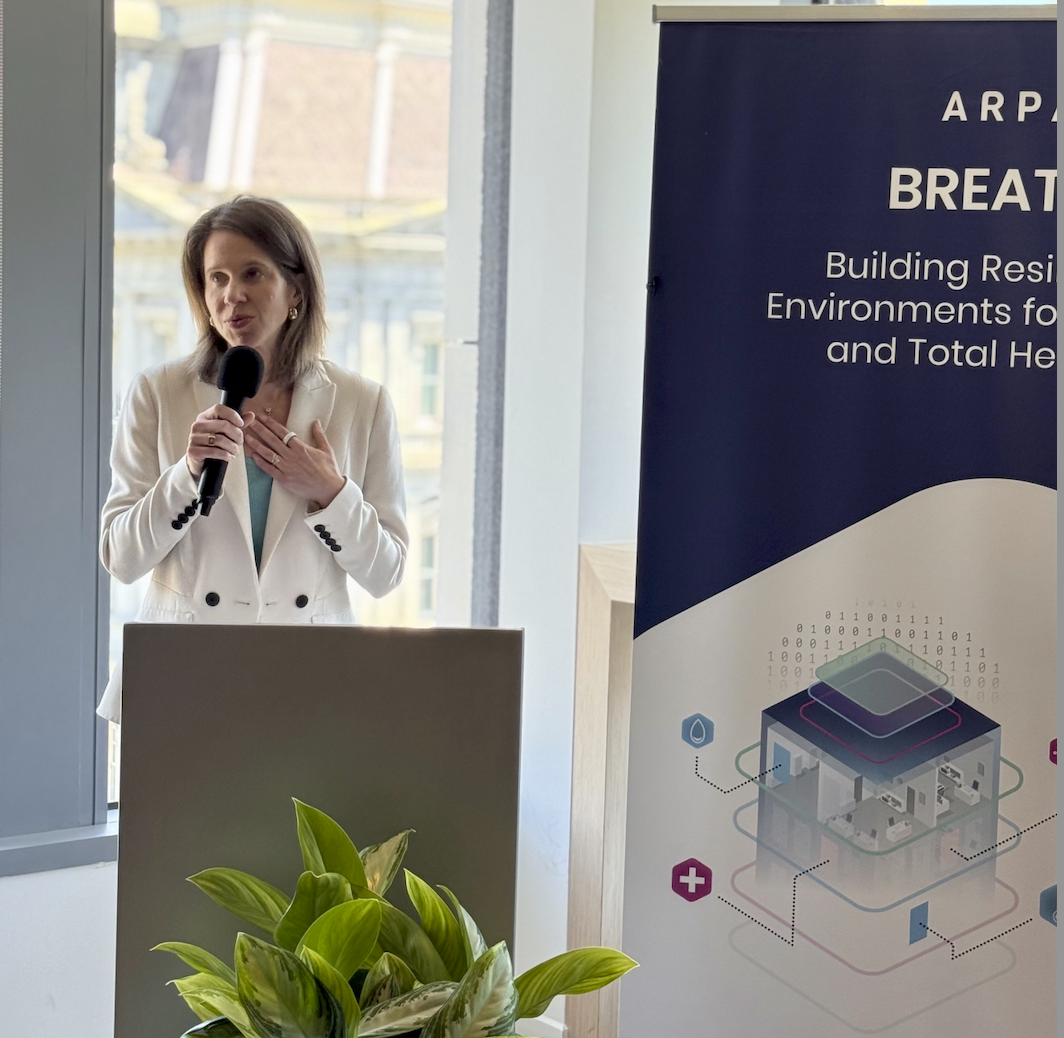
And Dr. Green reminded us all that we are just shy of one year into what will be a five-year journey for each of these amazing projects. It’s a heck of a start, and I can’t wait to see how the work of each of these award teams helps accelerate and grow the reach of the benefits of healthy buildings.