Prioritizing Health and Well-Being in Tenant Office Spaces
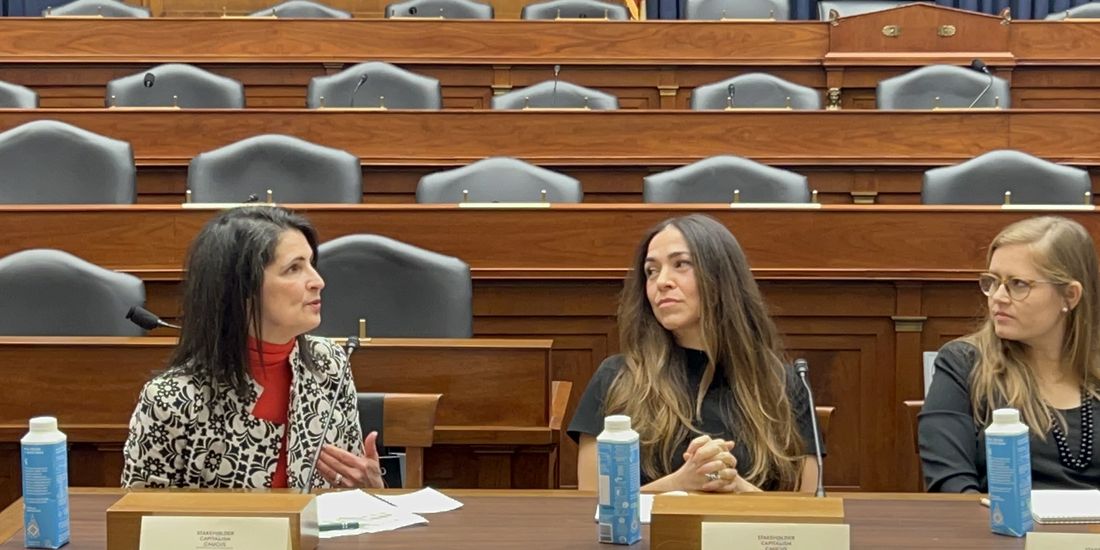
IWBI sits down with Wendy Feldman Block, a tenant-whisperer extraordinaire who is helping reshape better workplaces by making health and well-being core to her work

IWBI’s Signature Interview Series
In 2017, Wendy Feldman Block played a key role in a remarkable milestone. She helped support the first workplace to achieve both LEED and WELL Platinum certifications at the Washington, D.C. headquarters of the American Society of Interior Designers (ASID). It wasn’t just the first in the region or the country, but the first in the world.
Wendy, a true tenant-whisperer, has been helping businesses and organizations think differently about our workspaces. To her, we shouldn’t be thinking of a workplace as just a space where people work. Instead, these spaces should be dynamic office environments rooted in supporting health and well-being, which in turn helps foster improved occupant satisfaction, comfort and productivity, and helps organizations retain and attract top talent.
For almost three decades, Wendy has been providing real estate services to tenants in the Mid-Atlantic region and across the country. As Executive Managing Director at Savills U.S., one of the world’s leading real estate service providers with 700 offices around the world, Wendy’s work has spanned geographies and sectors, including law firms, nonprofits, associations and corporations. As one of the first to emphasize health and well-being in office spaces, she has been an influential leader helping revolutionize the way tenants perceive and utilize their work environments.
As part of IWBI’s interview series, I was excited to sit down with Wendy to talk more about her journey, including the shifts she’s seen in tenant workplaces and how health and well-being has become a core focus of her work.
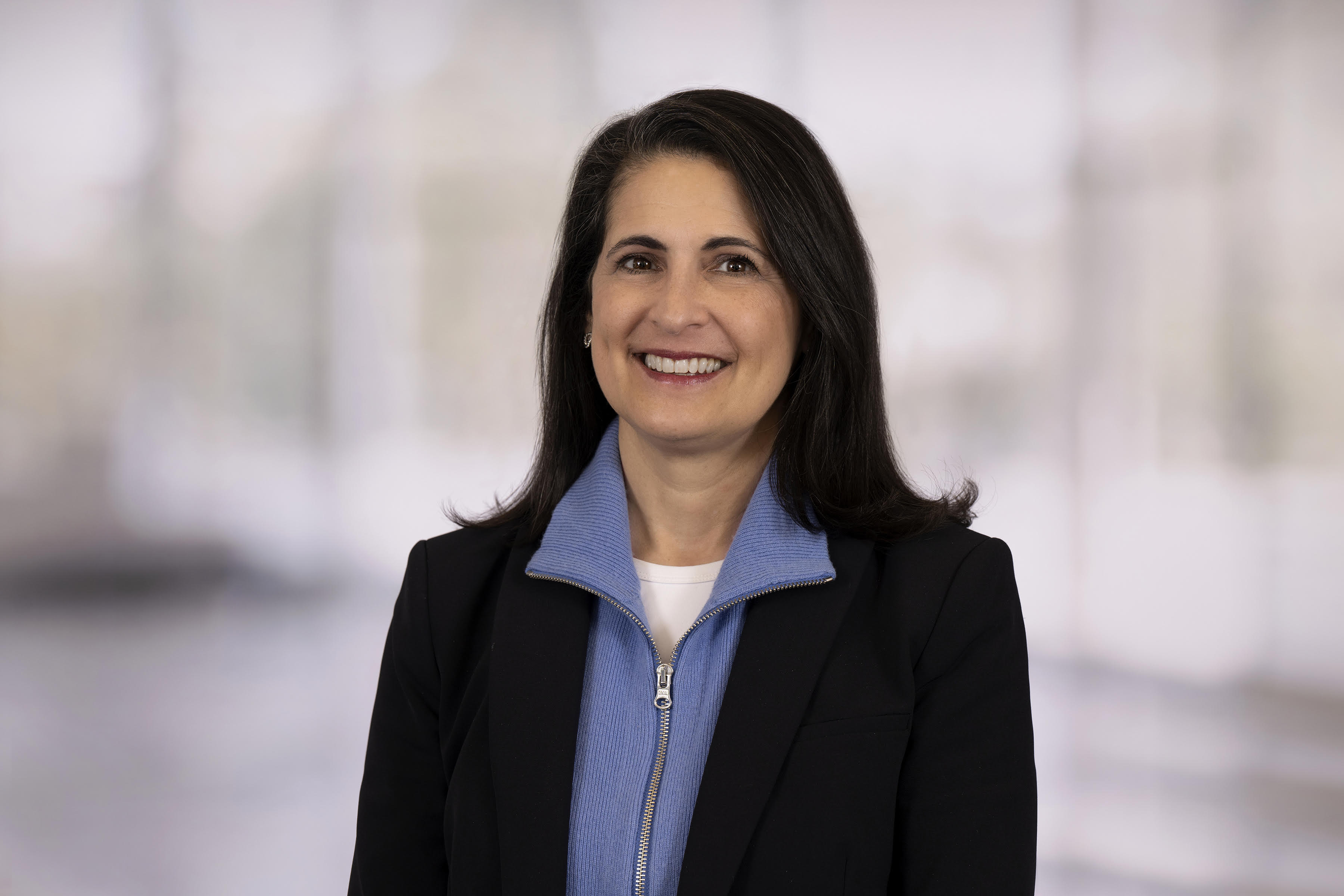
Q: Wendy, can you share the story behind your involvement in ASID’s headquarters, which became the world’s first space to achieve both LEED and WELL Platinum certifications? What were the challenges in achieving this incredible milestone and how has it shaped the market since?
In 2015 my longtime client, Randy Fiser, the CEO of ASID at the time, engaged me to advise them on finding a new headquarters office space. Randy is a visionary and when we started the process, he mentioned that he wanted to pursue not just LEED but WELL platinum too. At the time, I had never heard of WELL and other than their architect, Perkins&Will, no one else on the team knew much about it. I realized I’d have to learn a lot more, and quickly, in order to get a deal done.
I am a big-picture person and problem solver, so I set off on a course to help simplify what we needed. To the owner of the building, I explained what WELL was about and developed a concise list of things we needed to do in order to proceed. That work became an integral part of the letter of intent and subsequently was incorporated into the lease. We also worked diligently to also educate the project manager and general contractor who also hadn’t heard of WELL. At the time, there were limited options for materials that would comply, like lighting solutions. By being the first, we were navigating a learning curve, and it caused some delay, but it was worth it. Ultimately, we were successful in getting the project completed and ASID’s ambitious goal was met – to have a space that reflected their desire to create a workplace that was sustainable, innovative and engaging, and intently focused on the health and well-being of their staff.
Q: Throughout your time in real estate, how has your approach to tenant spaces evolved?
The most profound change in my work came about from the exposure to WELL(ness) and the impact of the pandemic starting in 2020. I’ve been at the same company for my entire career and while the industry has grown and markets have gone up and down, my engagement in wellness was transformative. I have incorporated a wellness lens to my advisory work on behalf of occupiers of office space. My role is to educate and inform the market on what a healthy workplace is about, why it matters and how to effectively communicate this – something that far too often is overlooked and can hinder progress if we don’t make it a priority.
Q: In your experience, how does a workspace designed with health and well-being in mind directly influence productivity and other occupant benefits?
Employers are struggling still (several years post pandemic) to get their employees to want to come back. What employees want now is a space that takes their needs into mind – access to natural light, abundant windows, biophilia, good air quality and adaptive, flexible spaces. When partnering with a design firm, companies have an opportunity to re-imagine the workplace and put the employee at the forefront. If the employee feels engaged and sees the workplace as a desirable destination, productivity does increase. The data and research proves this, and I’ve seen it with my clients. But as an aside, many landlords are struggling to lease their buildings and when they incorporate health and well-being best practices into their base building, the result is that they often see higher occupancy rates.
Q: Looking ahead, what emerging trends or innovations in office design and real estate do you believe will further impact the way we think about workspaces and how do we continue momentum for healthy workplaces?
As there still is a lot of uncertainty about what companies need in terms of office space, designing spaces that can more easily adapt to ever changing needs is important. Furniture solutions play a role in this and there’s always a need for ergonomic options that are rarely found in people’s home. We need to help make it easier for people to intentionally come to the office to collaborate. Also, the role of the building outside of the space is critically important too. People want choice of spaces to utilize – tenant lounges, roof top amenities with indoor and outdoor spaces, fitness facilities on the window line and food choices in proximity to the building. It’s exciting to see how else our workplaces will continue to evolve. And I’m really honored to have played a role in transforming the perception of deploying heath strategies in our workplaces — from a nice-to-have to a must-have.