
Kickstarting the academic year on the right foot
We need to take a deeper look at how we can improve the environments where students spend a majority of their waking hours to ensure that they can grow and flourish.
Summer has come and gone, and as countless students return to the classroom this fall, it is time to seriously consider the quality of the learning environments we provide, and to determine how we might shape their future in more meaningful ways.
We know that our environments and those we surround ourselves with have profound impacts on our health and well-being. We need to take a deeper look at how we can improve the environments where students spend a majority of their waking hours to ensure that they can grow and flourish.
The WELL Building StandardTM has been adapting over the years to apply to all space types and unique populations around the world. With nearly 4,000 projects in 58 countries, there are dozens within the education sector that are worth emulating.
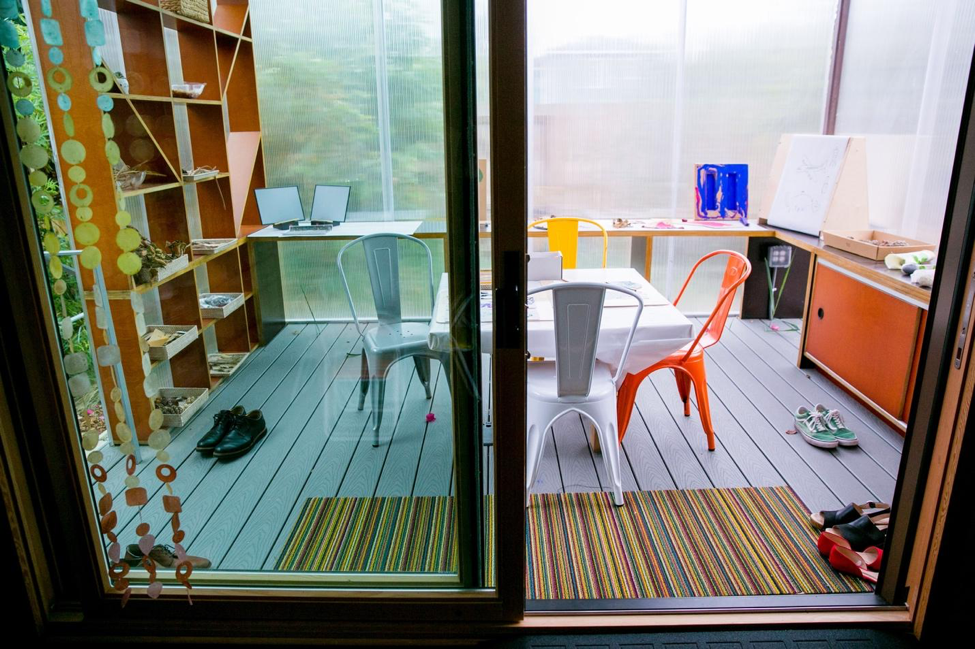
Image Credit: Untitled No. 1, Roxanne Turpin Photography
This summer we announced the first two projects to achieve WELL Certification within the education sector: a preschool and an academic building on a university campus. The preschool, Untitled No. 1, is a nature-based early education center (pre-K/TK/K) in Santa Monica, CA. This project is illustrative of what it means to deliver preventative health-promoting strategies through building design.
“There are aspects of well-being that were challenging to pencil out in advance, so the north star for our decision making was the people and planet – would we make a worthwhile difference doing what we do? We applied caring concern with common sense, keeping in mind we wanted to be exemplary, and attempted absolutely as many WELL features as we could. We achieved Gold!” – Laila Taslimi, founder of Untitled No. 1 School.
The second project, Chou Hall, is an academic building on UC Berkeley’s Haas School of Business campus and is devoted entirely to student learning and interaction. The building includes classrooms, meeting spaces, the Spieker Forum event space and a cafe for both students and teachers to utilize and collaborate in.
“From the start of the Chou Hall construction project, we focused on building a student-centric academic space that reflected our school’s unique culture and how we value sustainable impact,” said Haas COO Courtney Chandler. “What I love hearing most is how the building makes people feel. That’s what people are going to remember.” Taking that student-centric approach paid off for Chou Hall. According to a university news outlet, America Gonzalez, MBA ’19 said, “I absolutely love the building. It’s super-modern, and it allowed for all of us to not be easily distracted by the environment… It really helped us and fostered a good learning environment.”
There are also two schools that made Portfolio level commitments to redefining health across their campus. Bellevue College and the National University of Singapore have embarked on a journey to systematically enhance specific elements of their campuses to improve the health, happiness and productivity of all students, faculty and staff.
At IWBI, we believe the school of the future will embody countless WELL strategies, and we are excited by the projects focused on delivering better classrooms, dormitories, health centers, student centers and spaces that benefit all individuals that call the campus home.
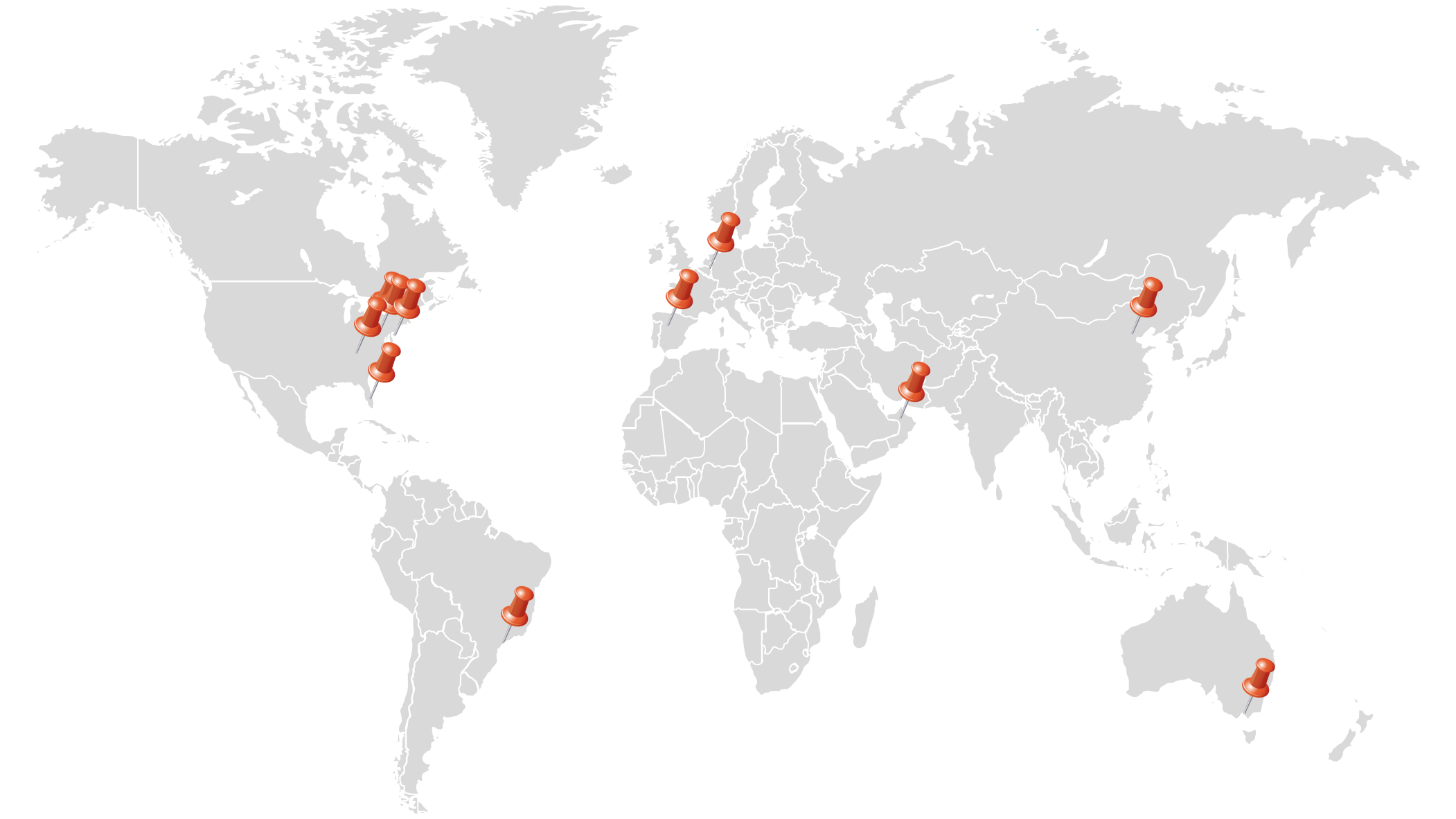
WELL Projects in the Education Sector
Check out a selection of our registered projects from around the world, and visit the Project Directory to learn more!
Implementing WELL Concepts in the Campus Environment
As you evaluate the best place to begin, consider implementing the following strategies on your campus this year:
- A08: Air Quality Monitoring and Awareness: Ensure the highest air quality for students by installing air quality monitors and promoting air quality awareness.
- W06: Drinking Water Promotion: Enable proper hydration levels to enhance cognitive performance.
- N11: Responsible Food Sourcing: Make sustainably-sourced food options available to students to promote lasting healthier eating habits.
- L03: Circadian Lighting Design: Improve the quality of life for students by promoting wakefulness during the day and supporting a healthy sleep cycle at night.
- V03: Movement Network and Circulation: Create aesthetically-designed staircases and hallways, and encourage stair use when available, to promote regular bouts of physical activity throughout the day, enhancing mood and productivity.
- T07: Humidity Control: Control pathogen growth, improve air quality and thermal comfort across buildings on campus to eliminate a common source of distraction and enhance learning.
- S03: Sound Barriers: Support a productive learning environment by including sounds barriers in design.
- X09: Cleaning Products and Protocol: Remove harmful chemicals from the cleaning protocol to improve the indoor air quality and enhance learning opportunities.
- M03: Mental Health Support: Provide mental health screenings and services at no cost to students, which may have significant positive impact on the community.
- C16: Community Access and Engagement: Encourage greater social interaction and engagement among students by providing community spaces for shared use and experiences, which may contribute to all buildings becoming supportive and unifying.
We are excited to partner with schools around the world to deliver WELL-focused curriculum, collaborate on key research initiatives and prepare students for their next phase of learning with the pursuit of their WELL AP credential. For those ready to dive in and transform their entire campus, consider WELL Portfolio as the vehicle to get you there, signaling that you prioritize the health of those you serve.