Designing for Culture: A people-first approach through WELL


Culture can be a lens through which people navigate and find a sense of belonging in the world. As part of UNESCO’s World Day for Cultural Diversity for Dialogue and Development, IWBI recently hosted a webcast titled, “Designing for Culture: Well-being across EMEA,” where we explored culture as an embedded design consideration across the WELL Concepts of Mind, Community and Nourishment.
IWBI Client Success Manager Eleftherios Zacharakis moderated what was a dynamic conversation with IWBI Market Development Senior Analyst Crystal Jones; Natali Ghawi, CEO, NABAD Consulting and WELL Mind Concept Advisor; Sara Roberts, Founder, Well Purposed and WELL Nourishment Concept Advisor; and Wiam Samir, Co-Founder, SustainWay, Sustainability Consultant, Alt Eko and Board Member, Morocco Green Building Council, who hail from Jordan, the United Kingdom and Morocco, respectively. Their voices brought forward rich perspectives on cultural identity and supportive design from across the EMEA region.
How culture shapes our spaces
“The intention behind the session was to spotlight how design can carry identity, memory, and connection. Culture isn’t something we add to design, it’s something we reveal through it.” - Eleftherios Zacharakis, IWBI Client Success Manager
At the heart of this conversation is the idea that culture shapes how we experience a place. In the WELL Building Standard (WELL), Feature M02: Nature and Place calls on us to celebrate place, nature, art and cultural identity as essential ingredients for spaces that nurture belonging, meaning and shared well-being. This feature has informed thousands of projects around the world to design mindful places that enhance belonging.
Art as a medium for culturally inclusive design
“Mosaics have a really interesting approach, as the intricate assembly of mosaics carry that metaphor of many small, disparate pieces that come together creating a meaningful whole space. Even the process of mosaics can be very collaborative and therapeutic, and it helps create a sense of rootedness and remembrance to a place.” - Natali Ghawi
Cultural identity is often expressed first through aesthetics, and in the built environment, art becomes a bridge between tradition and innovation. A single element can become a canvas for cultural expression and act as a tangible reminder of how art can live on in evolving modern architectural narratives. The integration of culture through art in architectural design supports cultural continuity, healing, dignity and relational belonging—key ingredients for well-being.
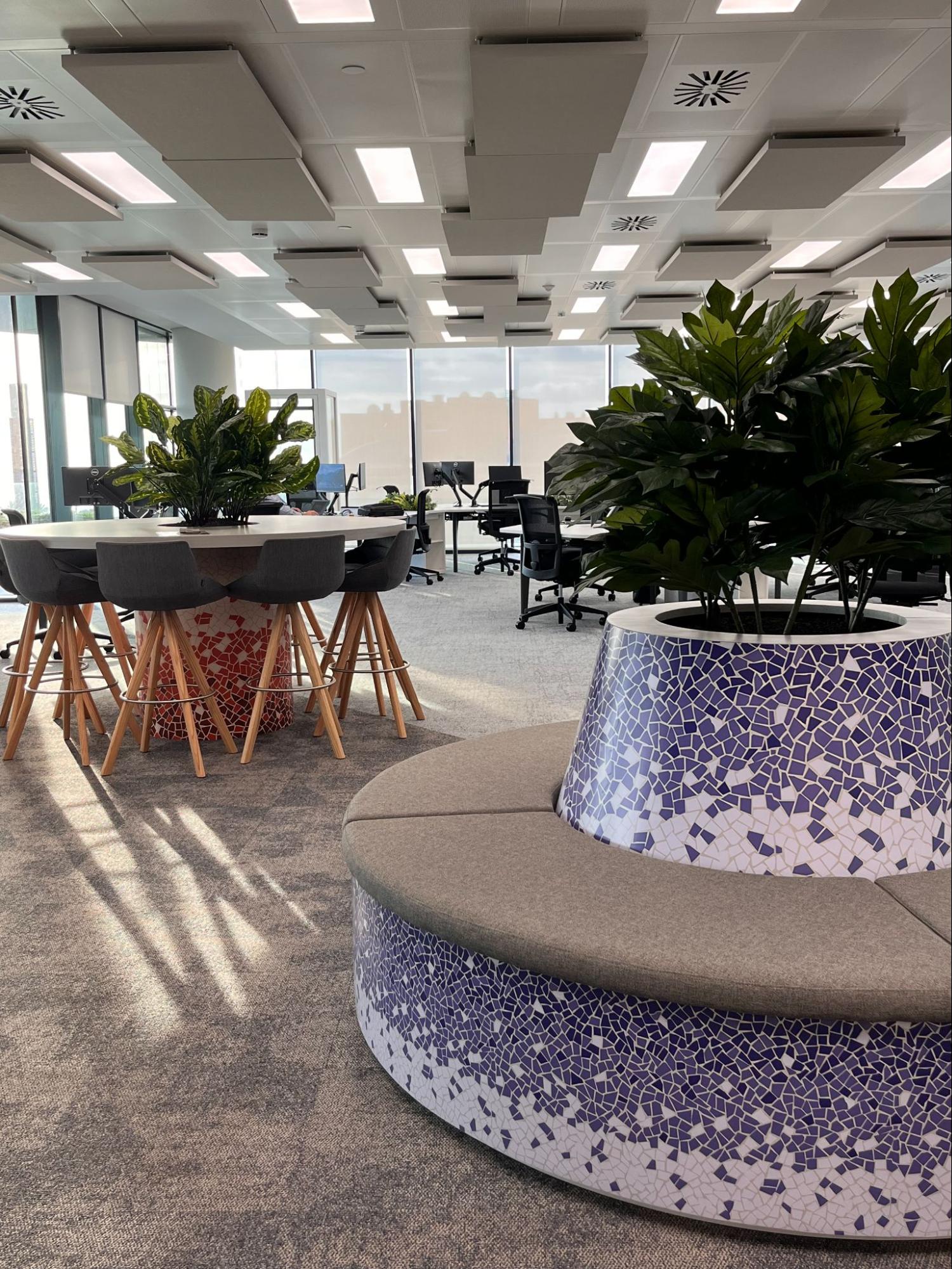
WELL project: NTT Data, Barcelona - WELL Certified Platinum
Spiritual design and a sense of belonging
“If it’s considered well, sensitive design provides a sense of connection without alienating. It’s important that designers get this right in terms of attracting talent for (the places) and in communicating cultural diversity and inclusion. When people feel seen, they’re going to feel more connected and engaged.” - Sara Roberts
Spiritual spaces are central to how communities express identity and purpose, offering sanctuary, grounding and connection. The meaning and use of spiritual spaces vary significantly across regions and individual experiences. Many people find that religious spaces help them to connect or reflect their spirituality, while others seek spiritual connection through nature, relationships or even the written word. Essentially, a spiritual space is one that evokes a powerful connection and emotion, and the design of a spiritual space should allow each person to interpret and utilize the space in a way that makes most sense to them at that time.
Biophilia as a culturally responsive design element
Biophilia is “not only cultural; it’s also ancestral, and it lives in the roots of the context where we are doing it.” - Wiam Samir
Biophilic design recognizes our innate connection to nature and the role that natural elements can play in supporting our health, well-being and cognitive performance. In particular, landscaping that utilizes design theory and practice from different cultures can ensure that representation, authenticity and respect are properly considered by developing internal understanding of biophilic and design philosophies, or outsourcing to practitioners that represent that culture specifically.
Edible landscapes in design
“In every civilization, food is that place where we come together, where we bond, where we socialize and there are so many studies on how communal eating has such an impact on well-being.” - Sara Roberts
Incorporating food into the design of a building nurtures connection to nature, community and personal health. Research has shown that when people are involved in growing their own food, they make healthier choices, reduce waste and have a greater sense of agency over their well-being.
Nourishment is a core pillar of community life. That’s why, when designing with nourishment in mind, it’s vital to bring stakeholders to the table. Feature N13: Local Food Environment in the WELL Nourishment Concept emphasizes accessibility – and design strategies like community gardens can meet a range of community needs.
Honoring the history of heritage buildings and meeting the needs of the present
“When our memory is honored and not frozen, it allows us to create spaces of belonging. It is a form of healing. Restoring heritage spaces can be a way of creating belonging, but the condition is to engage people in the process.” - Wiam Samir
Historic buildings often carry stories of craftsmanship, community identity and sometimes industrial legacy or struggles. Preserving them is not only about sustainability, but also cultural memory and place-based meaning, as highlighted in Feature C20β: Historical Acknowledgement. Designers can play a role in preserving history by responsibly managing the layers of historic pride and trauma with care. Heritage buildings offer an opportunity to go about this process differently because restoration can be used as a tool for healing when done with community participation.
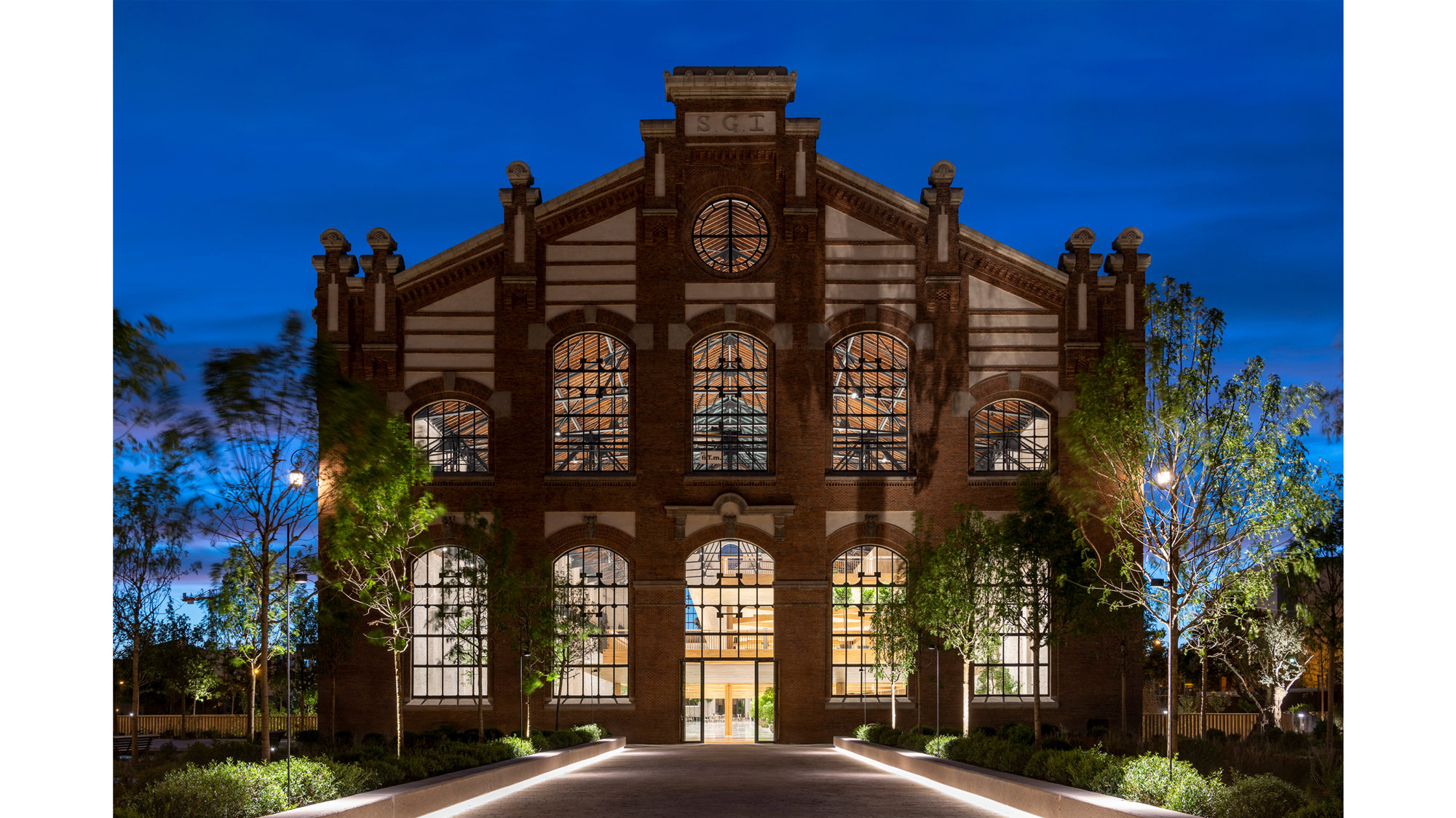
WELL project: Acciona Ombú, Madrid - WELL Certified Platinum
Reflecting inclusivity in public spaces
“Inviting people into the process, and allowing the process itself to be organic and shaped by the people rather than imposing a predisposed design is critical to allow people to get a sense of belonging and really feel seen and rooted in the spaces they’re in. Community is not a fixed identity. It’s something that’s cultivated organically through design.” - Natali Ghawi
As Feature C11: Civic Engagement notes, public and community spaces provide an opportunity for people to connect, belong and participate in shared urban life and these spaces come in many forms, from phonebooth libraries to interactive public plazas. Each space shapes local culture and offers room for spontaneous connection. Public and community spaces need to be culturally resonant, intergenerationally considerate, sensory aware and adaptable, and these requirements can be met without large amounts of space or compromising form over function.
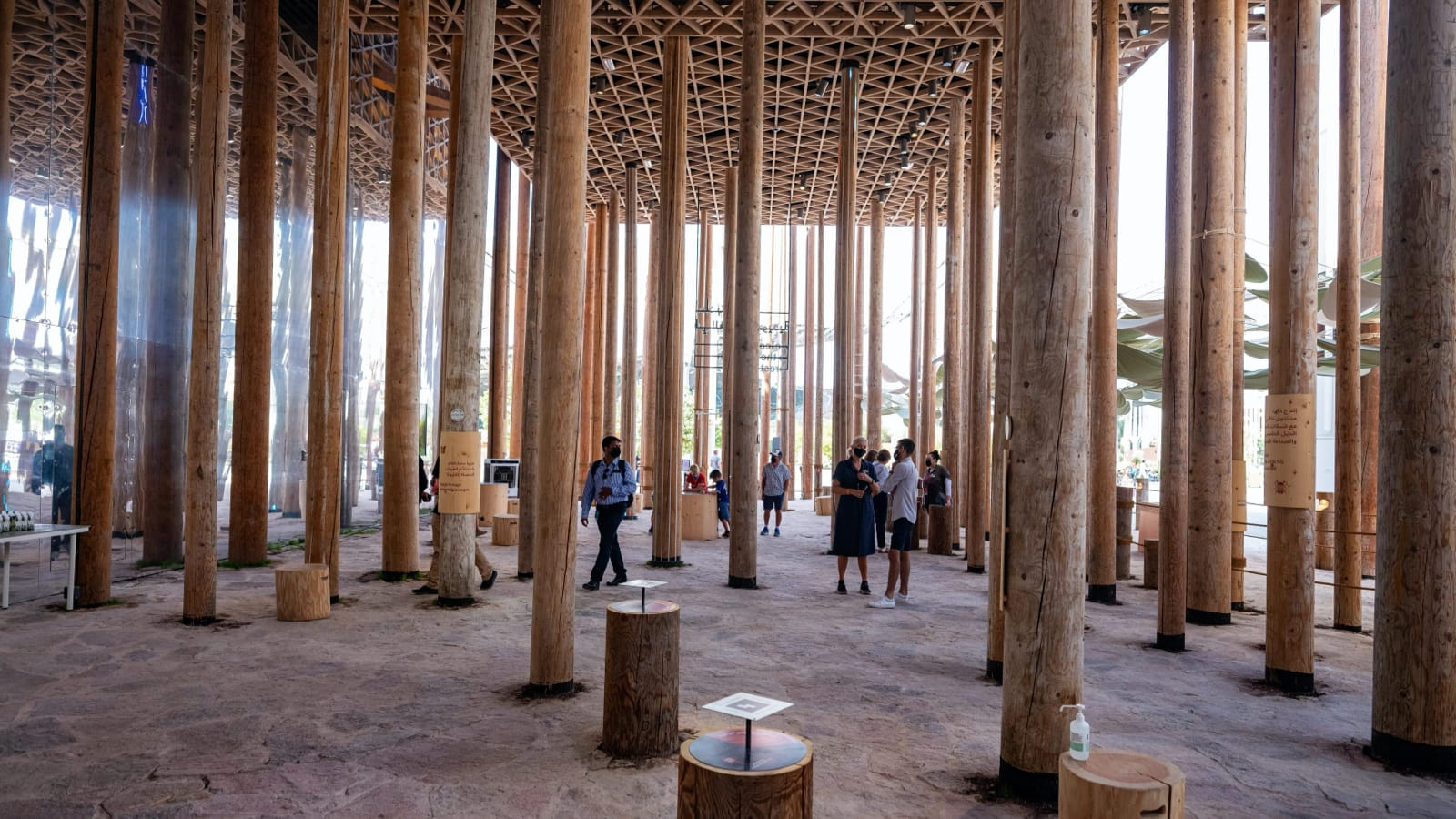
WELL project: Expo City Dubai - WELL Community Precertified
Supporting neuroinclusivity in design
“Why this is important is this example [Shaun Jenkins Children’s Hospital, South Carolina, USA] shows that it is absolutely possible to create spaces that are inclusive for people that are neurodivergent, but then can support the needs of everyone, and do so in a way that feels balanced." - Crystal Jones
Finally, we turned to neuroinclusive design, which can uplift everyone because we are all sensitive to our environment and the way it impacts our cognitive function and well-being. Despite a preconceived notion that hypersensitive and hyposensitive design considerations are conflicting approaches, there are gentler ways of creating an equilibrium and balance between the two. Ingresses provide retreat and also create sensory forms in a building’s architecture, color can stimulate whilst not be overwhelming, and the unpredictability of biophilia creates sporadic visual points while maintaining a calm environment.
People’s neurodivergence, which can be shaped by cultural norms and values, is greatly supported through the WELL Standard and especially the WELL Equity Rating. WELL strategies including Feature EE1: Create Workforce Assessment WELL Engagement and Belonging Plan, Feature ED13β: Support Interior Navigation and Feature ED11β:Plan for Neuro-inclusion uplift this community by providing design, operations and policy based strategies that can be implemented across organizations and in buildings.
Why this matters now
“When we design with culture in mind, we’re not just creating spaces that are functional; we’re creating spaces that mean something, and meaning is what makes design endure.” - Crystal Jones
Conversations around design are rapidly evolving under the influence of new legislation in the EMEA region such as the strong provisions related to indoor environmental quality in the European Union’s Energy Performance of Buildings Directive (EPBD). Environmental, social and governance (ESG) frameworks are driving organizations to think beyond environmental metrics toward measurable commitments in social sustainability, including how they can create better workplaces for all and ensure people have what they need to succeed. Supporting this drive is a growing body of research showing that environments that uplift their people lead to higher engagement, retention and productivity. Leaders are increasingly recognizing that culture is not a soft metric, but a strategic asset.
Designing with culture means creating spaces and systems where people feel seen, supported and valued as individuals and the growing momentum around cultural expression, neuroinclusion and well-being in design signals a recognition that one-size-fits-all environments no longer serve the complexities of our workforce.
Want to dive further into the topics addressed here? Take a look at the WELL Equity Rating and watch our webcast on-demand in the WELL Forum. Keep this conversation going in the WELL Forum Europe regional thread.